
India’s original art of restoration, from Ayurveda to riverside stillness
Wellness has become one of travel’s most enthusiastic words. It now arrives wrapped in linen, lit by candles and accompanied by phrases that often sound as though they were written during a very expensive nap.
India, to its credit, has been quietly getting on with the matter for several thousand years.
Here, wellness is not confined to a spa menu. It may be found in the discipline of Ayurveda, the breathwork of yoga, the restorative intelligence of food, the silence of forests, or the sight of a river at dawn. It is not always decorative. It is often practical, precise and rooted in systems of knowledge that existed long before the global wellness industry discovered the virtues of warm water with lemon.
Niraamaya Life brings a more contemporary luxury vocabulary to restoration. Its retreats are placed in serene landscapes across India and combine Ayurveda, modern therapies, yoga, meditation and personalised wellness programmes. The experience is less about theatrical transformation and more about rebalancing. Guests arrive with the usual modern collection of fatigue, ambition and overpacked devices, and are gently invited to return to themselves.
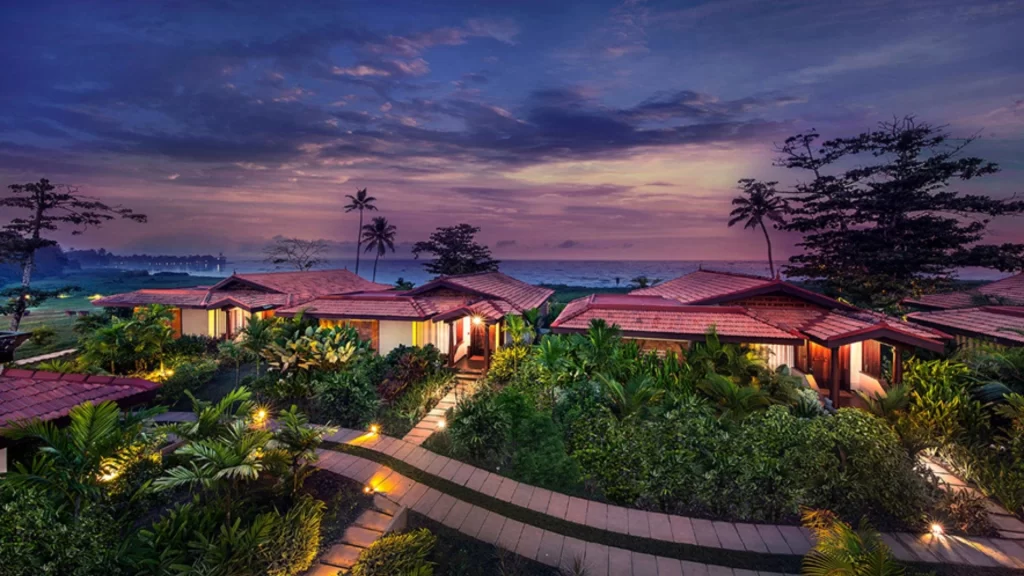
In Rishikesh, Ganga Kinare offers a different kind of wellness altogether. Set on the banks of the Ganges, the riverside boutique resort is rooted in yoga, nature and spirituality. Its official site notes that it is the only hotel in Rishikesh with a private Ganga ghat, with views towards Rajaji National Park and the Himalayan foothills. Here, wellness is less a programme than an atmosphere. The river does much of the work. Humans, for once, are advised not to interfere too much.
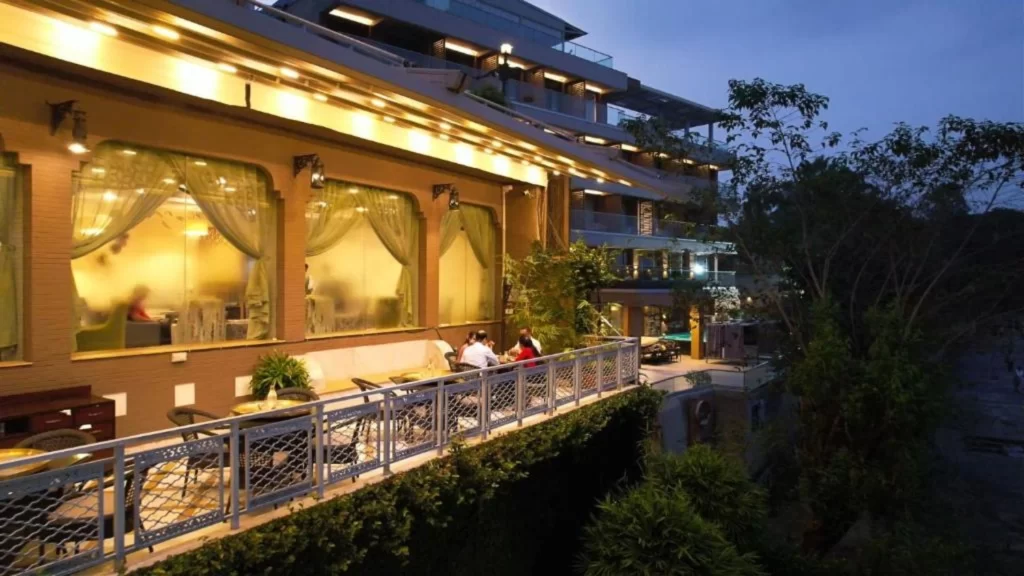
Near Pune, Swastik Wellbeing Sanctuary positions itself as a luxury wellness destination where ancient wisdom meets modern science. Its approach brings together Ayurveda, naturopathy, yogic practices, oriental therapies, energy healing and diagnostics. There is something quietly compelling about this integrated model. It recognises that contemporary travellers may seek both tradition and measurable progress, both silence and science, both retreat and reassurance.
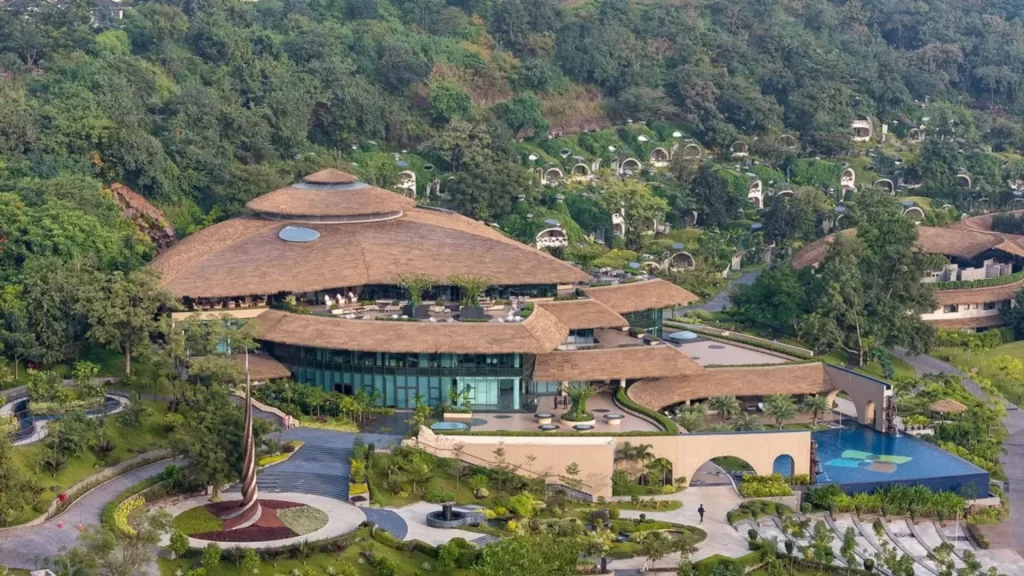
At Somatheeram Ayurveda Group in Kerala, Ayurveda remains the centre of gravity. The resort’s official material describes it as a traditional Ayurvedic health resort and notes its repeated recognition by the Government of Kerala as a leading Ayurvedic centre. What matters here is seriousness. This is not Ayurveda as a garnish, but Ayurveda as framework: consultation, treatment, diet, routine and rest working together with a clarity that many modern retreats could learn from, preferably while sitting quietly.
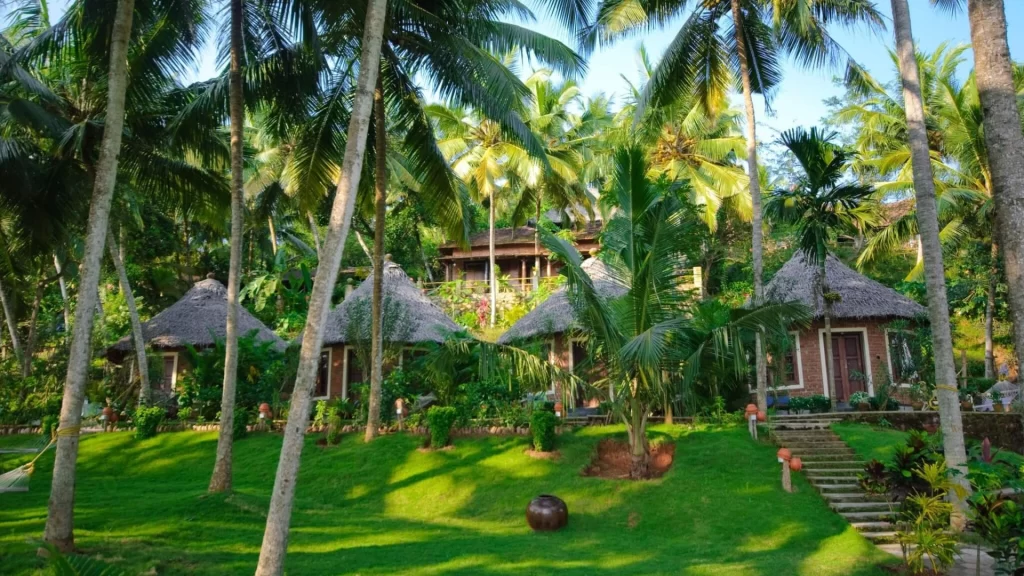
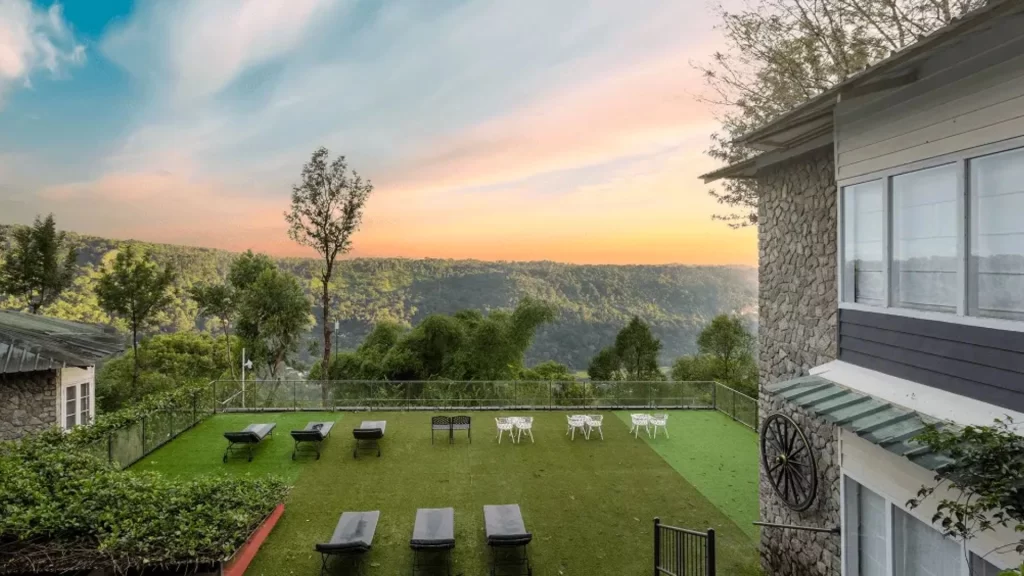
In the hills of Munnar, Spicetree Resorts offers boutique luxury among the Western Ghats, with Ayurvedic rituals, private pools, plantation landscapes and curated experiences that include nature walks, village visits, tea and cardamom field visits, and naturalist-led explorations. The landscape itself is medicinal in temperament. Mist, mountain air and cardamom have a way of improving one’s outlook, even before anyone mentions detox.
Taken together, these stays remind us that Indian wellness is not a single experience. It is a spectrum. Clinical, contemplative, luxurious, traditional, elemental, spiritual, sensory.
The best of it does not shout. It restores.