
Why South India deserves more than a hurried add-on
South India is often described in fragments: backwaters, beaches, temples, coffee, spice, Ayurveda, perhaps a coconut tree leaning obligingly into the frame. All accurate. All insufficient.
The South is not an appendix to an India itinerary. It is a world in itself.
It carries temple towns and coastal kingdoms, plantation hills and river houses, old ports and forested valleys, Dravidian architecture and deeply regional cuisines. It also understands the art of unhurried travel particularly well. The climate may encourage a slower pace, but the culture insists upon it.
Paul John Resorts & Hotels offers a useful map of this diversity. Its portfolio includes Kumarakom Lake Resort on Kerala’s Vembanad Lake, Forte Kochi in historic Fort Kochi, The Paul Bangalore and Coorg Wilderness Resort & Spa in Karnataka. Kumarakom Lake Resort brings heritage villas, backwater stillness and traditional Kerala houseboats into one of the region’s most iconic landscapes. Coorg Wilderness Resort, by contrast, moves into the hills, with European-styled suites, valley views and a nature-led sense of indulgence. Together they suggest a South India that is both watery and mountainous, urban and rural, deeply traditional and luxuriously comfortable.
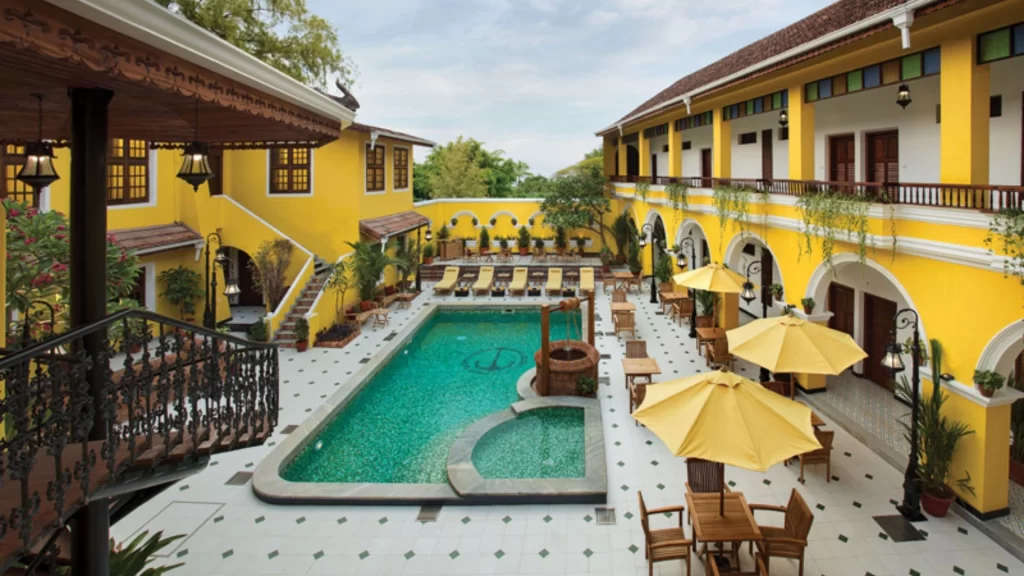
On the Tamil Nadu coast, Kaldan Samudhra Palace makes a more flamboyant proposition. Set in Mahabalipuram along the East Coast Road near Chennai, the resort describes itself as a 10-acre oasis of Rajasthani culture and architecture by the Bay of Bengal. This may sound geographically mischievous, but it works. Here, palace-inspired grandeur meets sea air, with villas, suites and beachfront leisure offering a rather unexpected way to approach Tamil Nadu. It also places travellers close to Mahabalipuram, one of South India’s great cultural landscapes.
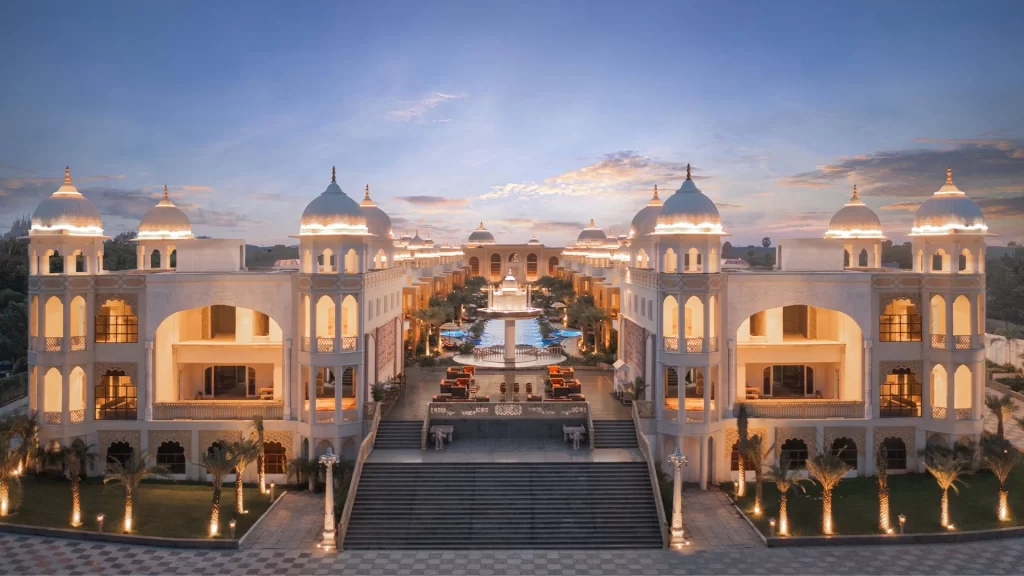
Tamara Leisure Experiences takes a more philosophical route. Its portfolio across South India is tied together by responsibility and sustainability, whether the format is a nature resort, business hotel, mid-segment stay or Ayurvedic hospital. Wellness at The Tamara Resorts includes spa therapies, yoga, nature walks and mindful experiences in hill settings such as Coorg and Kodaikanal. It is a reminder that hospitality in the South is increasingly shaped not only by comfort, but by ecological and community awareness.
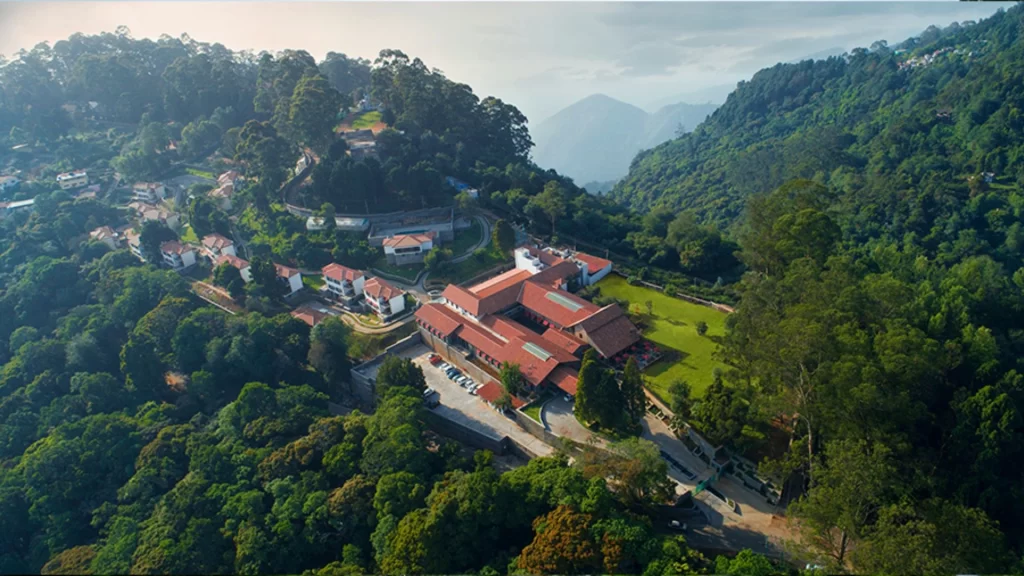
In Munnar, Windermere Retreats brings the traveller into Kerala’s plantation highlands. Windermere Estate sits within a working coffee and cardamom plantation surrounded by tea gardens, while Windermere River House at Neriamangalam sits by the Periyar River, among rubber plantations, evergreen forests and birdsong. It is difficult to improve upon hills, rivers, cardamom and birds, though a good lunch has been known to help.
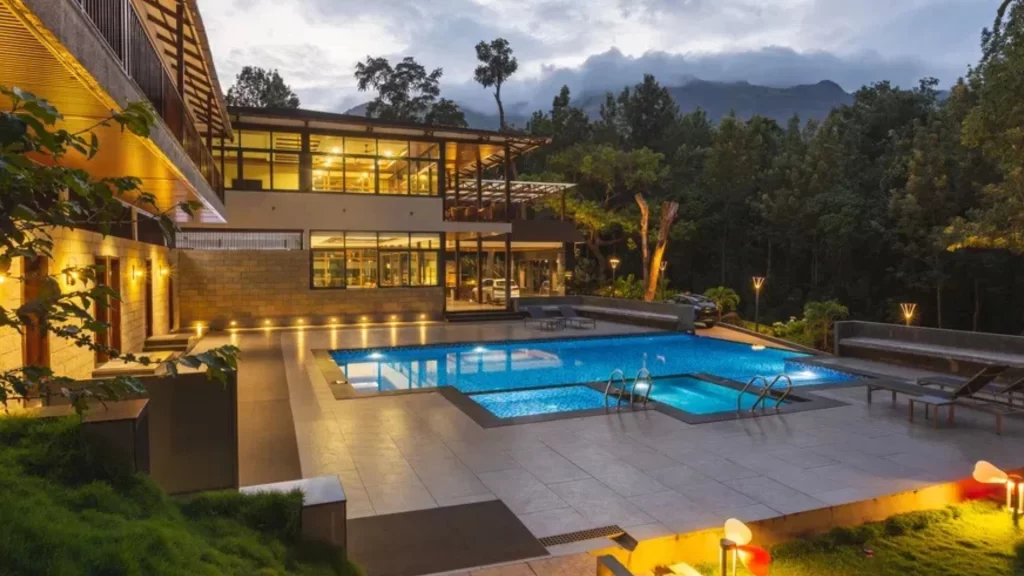
For those who prefer to stay awhile between larger journeys, The Silver Sky Hotels & Resorts in Chikkamagaluru offers a natural pause in Karnataka’s coffee country. Set amid greenery, coffee plantations, silver trees and pepper creepers, the resort brings the traveller into the gentler drama of the Western Ghats. There are coffee trails, plantation air and the particular pleasure of doing very little while pretending it is cultural immersion. In Chikkamagaluru, of course, it often is.
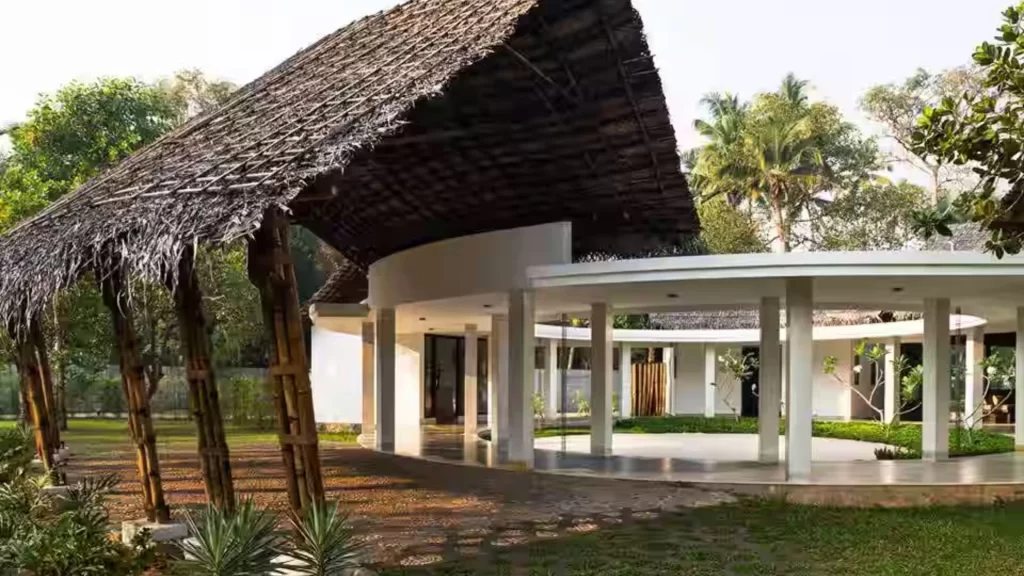
Xandari Resorts extends the idea of wellness across Kerala through stays shaped by design, landscape and sustainability. With destinations including Marari Beach, Thekkady, Alleppey and Fort Kochi, Xandari offers travellers multiple ways to slow down: by the sea, near spice country, on the backwaters or within a historic harbour city. Its philosophy places nature, community and environmental respect at the centre of hospitality, which is rather more useful than simply placing a bowl of floating flowers near reception.
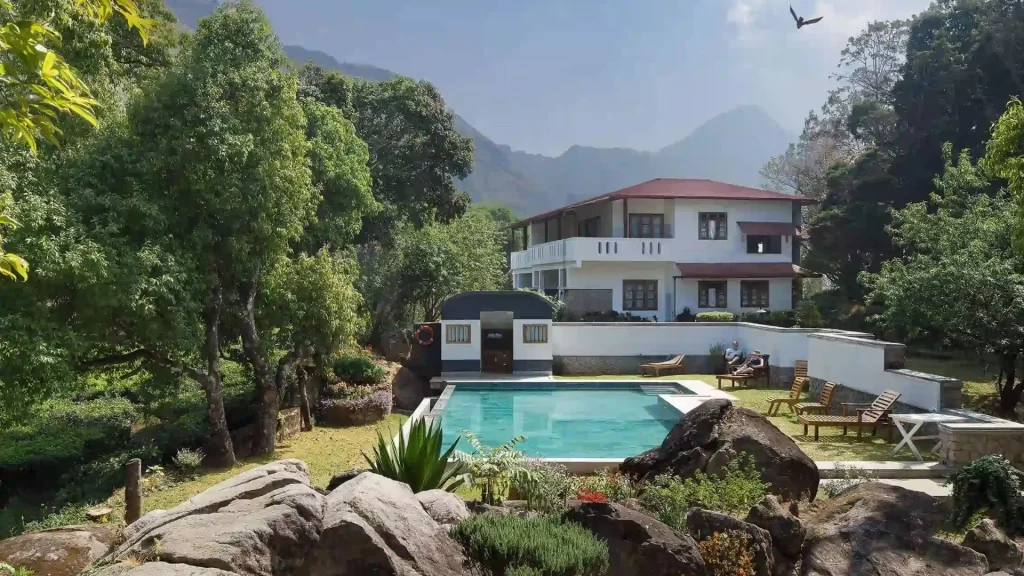
The Western Ghats continue into Karnataka at Trivik Hotels & Resorts, Chikmagalur, set against dramatic mountain views and designed for travellers seeking comfort, landscape and active leisure. Chikkamagaluru is coffee country, and Trivik places guests in close conversation with the hills, with suites, balconies and space to absorb the surroundings. This is the South at altitude, where mornings are misty and ambition may be postponed until after breakfast.
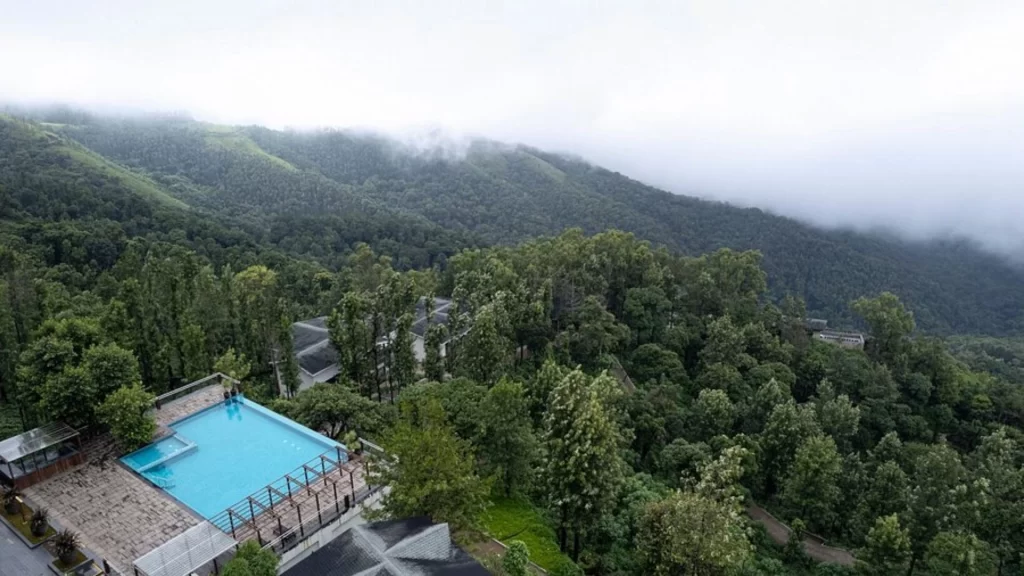
What emerges across these stays is not one South India, but many. Backwaters, coastlines, temple corridors, coffee hills, cardamom estates, wellness practices, plantation homes and cultural cities.
The mistake is to pass through too quickly.
The South is not asking to be added on. It is asking to be properly understood.