
Rail, river, road and the return of travel with a sense of occasion
There was a time when travel was not something to be optimised. One did not race through a country with the grim determination of a spreadsheet. One moved through it, preferably with good linen, proper meals and enough time to understand the changing light outside the window.
India, perhaps more than most places, rewards this older rhythm.
Its landscapes do not arrange themselves neatly for the hurried traveller. Rajasthan unfolds in chapters. The Deccan reveals its histories across fortresses, caves, coastlines and temple towns. The Ganges and Brahmaputra are not simply rivers but civilisations in motion.
This is where the new Grand Tour of India begins.
The Deccan Odyssey brings back the romance of slow rail travel, offering journeys across Maharashtra, Rajasthan and other heritage-rich regions aboard one of India’s most recognisable luxury trains. Its appeal lies not merely in polished interiors or attentive service, but in continuity. The traveller does not wake each morning in a new hotel, wondering where the luggage has gone and whether breakfast is still possible. Instead, the train becomes the thread that binds landscapes together. One day may bring ancient caves or royal cities, another a coastal or cultural encounter. The country moves, and the traveller moves with it, elegantly enough.
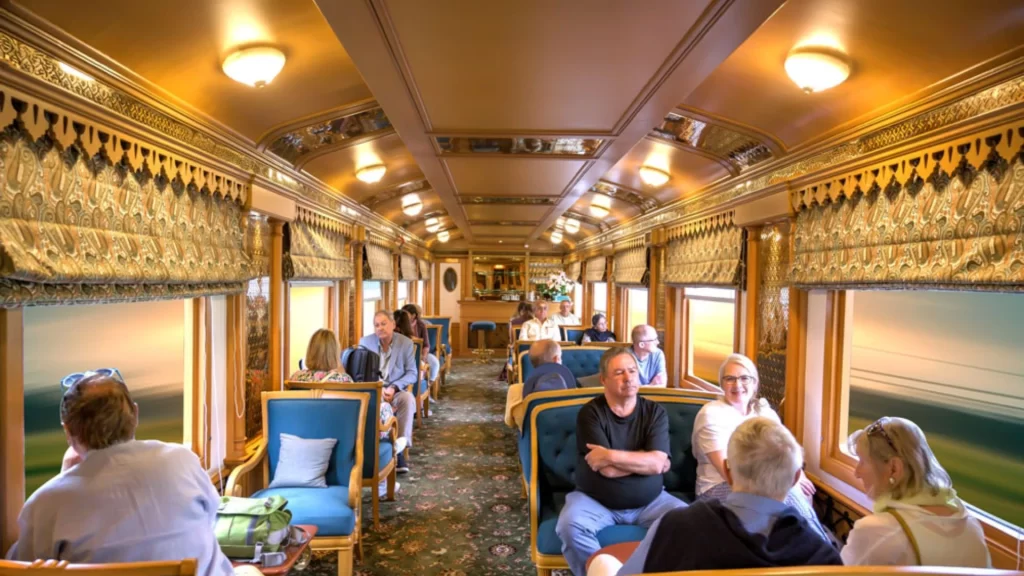
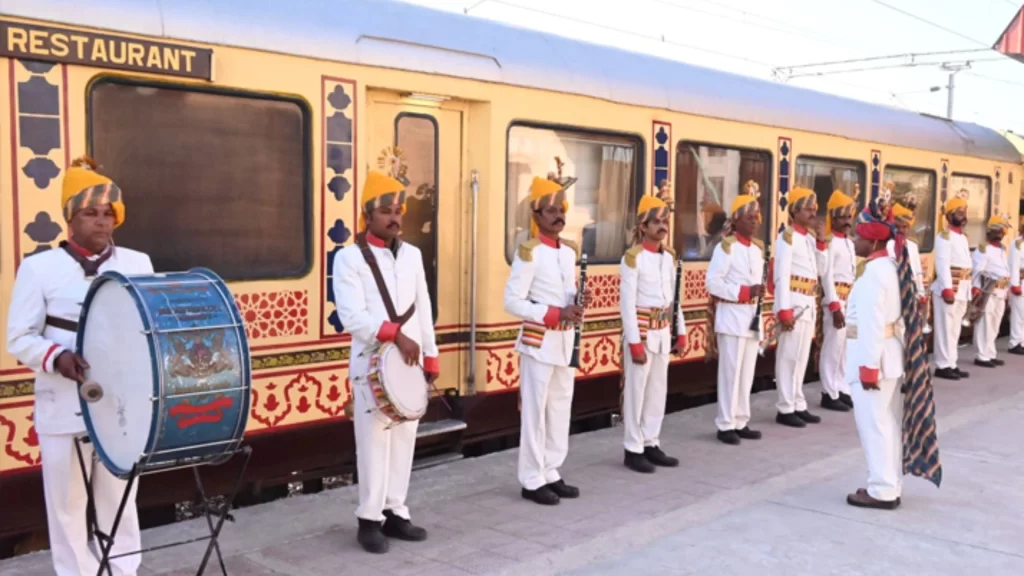
The Palace on Wheels, Rajasthan’s iconic luxury train, carries an even more storied aura. Its route begins and ends in New Delhi and takes travellers through some of North India’s most celebrated cultural landscapes, including Rajasthan and Agra. The name may sound gloriously theatrical, but the idea is simple: India’s royal cities are best experienced not as a checklist, but as a procession. Jaipur, Jodhpur, Udaipur and the wider desert state acquire a different mood when connected by rail rather than airport lounges. The journey restores a sense of occasion to movement, which modern travel has rather rudely misplaced.
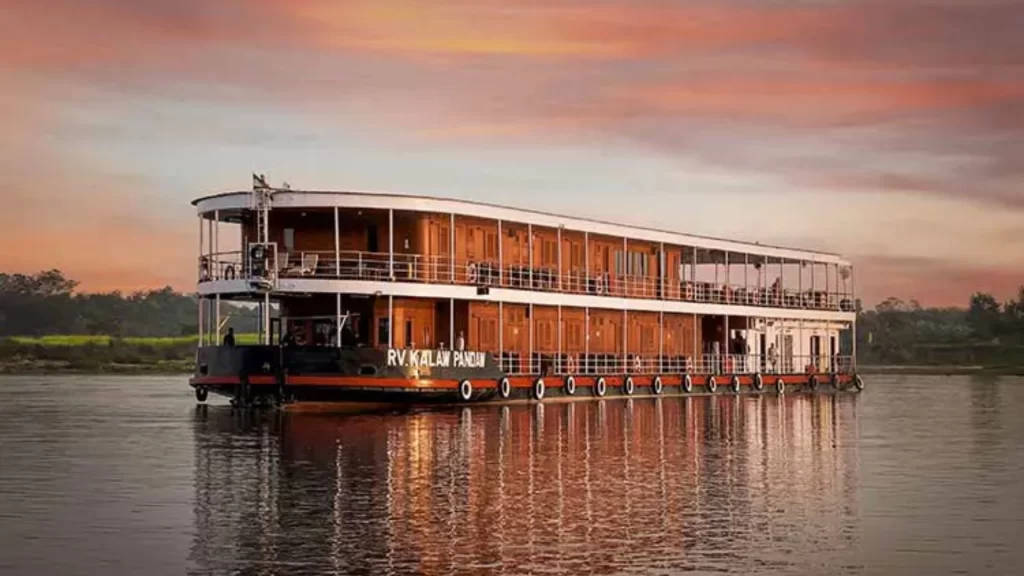
Then there is the river. Pandaw Cruises approaches India from a softer, slower perspective, operating small ship river expeditions on the Ganges and Brahmaputra. River travel is particularly suited to travellers who wish to see India from within its daily life rather than from above it. On the banks of these rivers, temples, villages, markets, ghats and fields appear not as staged moments, but as part of a continuous human rhythm. A river cruise asks less of the traveller physically and more of them observationally. Look properly, and India is already happening.
Together, these journeys suggest a different way of imagining India. Not as a destination to be consumed in fragments, but as a country to be connected through rhythm, movement and pause. Rail gives grandeur and rivers give perspective.
The new Grand Tour is not about covering more ground. It is about allowing the ground to matter.