
A cuisine shaped by the desert, ingenuity and royal kitchens
There is perhaps no better way to understand Rajasthan than through its food.
Look at the landscape and it is easy to see why the cuisine evolved the way it did. Much of Rajasthan is dry and unforgiving, with long stretches where fertile soil is scarce and water has always been precious. Growing a wide variety of vegetables was difficult, and leafy greens were particularly hard to come by. Yet the state has traditionally been, and remains, largely vegetarian. People simply learned to make much more from much less.
Where the land could not provide abundant crops, cattle became an important source of milk, buttermilk, curd and ghee, while hardy grains such as millet and wheat, along with gram, lentils, beans and desert berries, formed the basis of the diet. Lentils and legumes flourished in the more fertile areas north-east of the Aravallis, while desert berries found their way into dishes of their own. Spices, which thrive in the arid soil, became defining flavours of the cuisine, creating food that is bold, warming and aromatic, balanced by the richness of ghee and the tang of yoghurt and buttermilk.
It is a cuisine born of necessity, certainly, but there is nothing austere about it.
From the desert to the royal kitchen
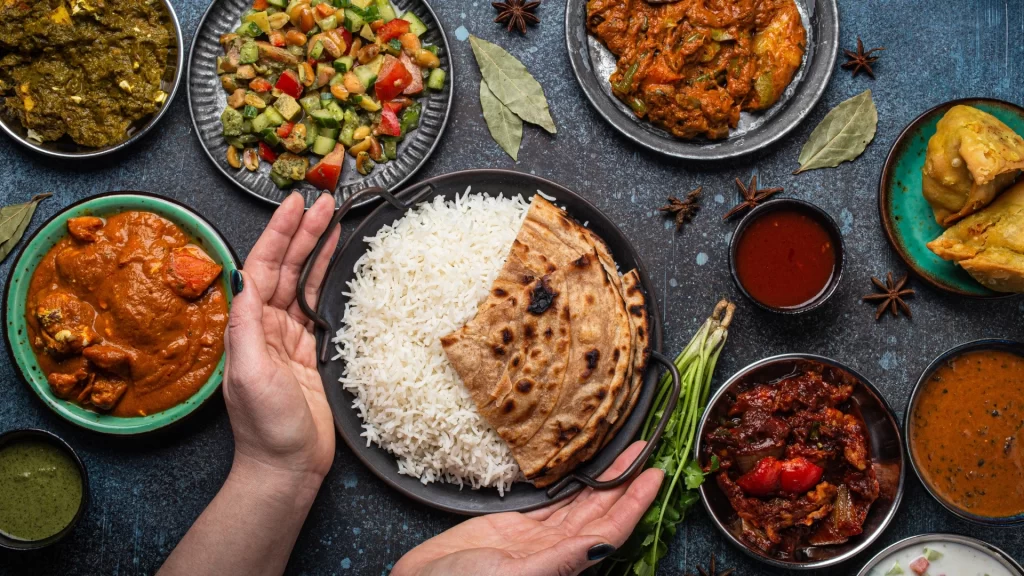
There is another story running through Rajasthan’s food, one that leads from village kitchens to the grand rajgharanas, the royal households of the state. The Rajput royal families were renowned for their lavish lifestyles, and their kitchens reflected that. Royal households competed with one another in displays of affluence and opulence, and food became another way of demonstrating both generosity and status. These were not small household kitchens. The great royal kitchens employed teams of chefs known as khansamas, with some employing at least 10 to 12 cooks. Their task was not simply to feed the family but to create elaborate meals for rulers, guests and visiting dignitaries.
An intriguing record of this culinary world survives in the bahi khatas maintained by some royal families. These traditional account books recorded what was cooked, how much was prepared, the number of people it served, the costs involved and even recipes. They also reveal the influence of shikar, or hunting, on Rajput cuisine, with game meat featuring prominently in these kitchens. Dishes such as Jungli Maas emerged from this tradition, using just a handful of powerful ingredients such as chillies, garlic and yoghurt. Over time, this style of cooking is often said to have evolved into the more elaborate Laal Maas, although its exact origins remain unclear.
Laal Maas: red, rich and unmistakably Rajasthani
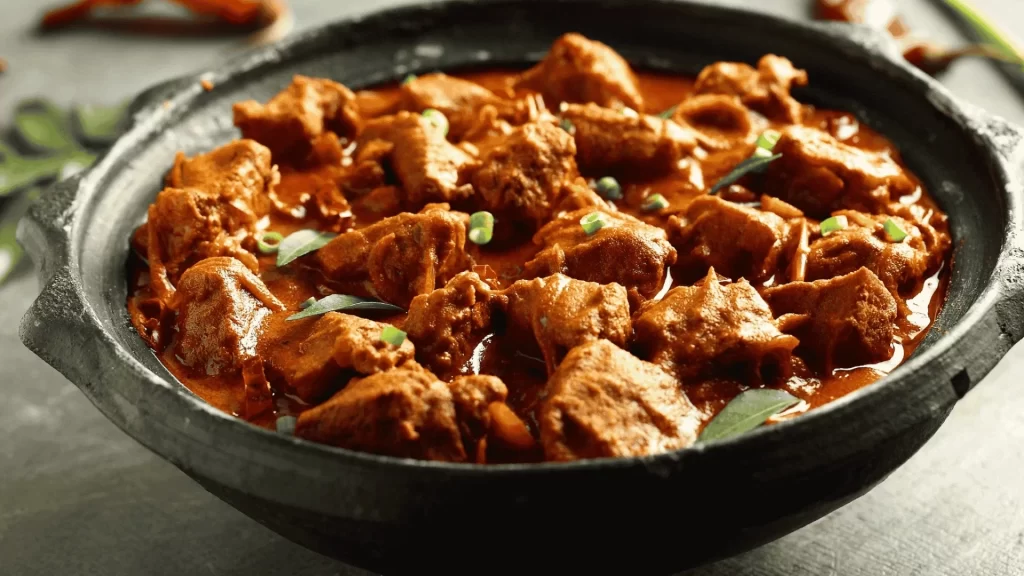
For a traveller who wants to understand the more dramatic side of Rajasthani food, Laal Maas is difficult to overlook. The name translates simply as ‘red meat’, and the dish certainly lives up to it. Mutton is slow-cooked in a rich, chilli-laden, yoghurt-based sauce, with red chillies giving it its characteristic colour and heat. The Mathania chilli, a variety associated with Mathania village in the Jodhpur district, is traditionally used for its deep colour and distinctive smoky warmth. It is a dish with a reputation for being fiery, but its appeal lies in more than heat. Slow cooking gives the meat a tender texture, while the yoghurt and spices create a deep, complex sauce. It is traditionally eaten with bajra rotis or rice, allowing the bread or rice to soak up the deeply flavoured gravy.
Then there is Safed Maas, the quieter counterpart to its fiery red cousin. Literally ‘white meat’, it is a creamy mutton curry made with ingredients such as yoghurt, cashew paste and aromatic spices. The result is far milder: soft, creamy and gently spiced rather than fiery. Together, the two offer a glimpse into the contrasting pleasures of Rajasthan’s royal cuisine.
Dal Baati Churma: a meal with a story
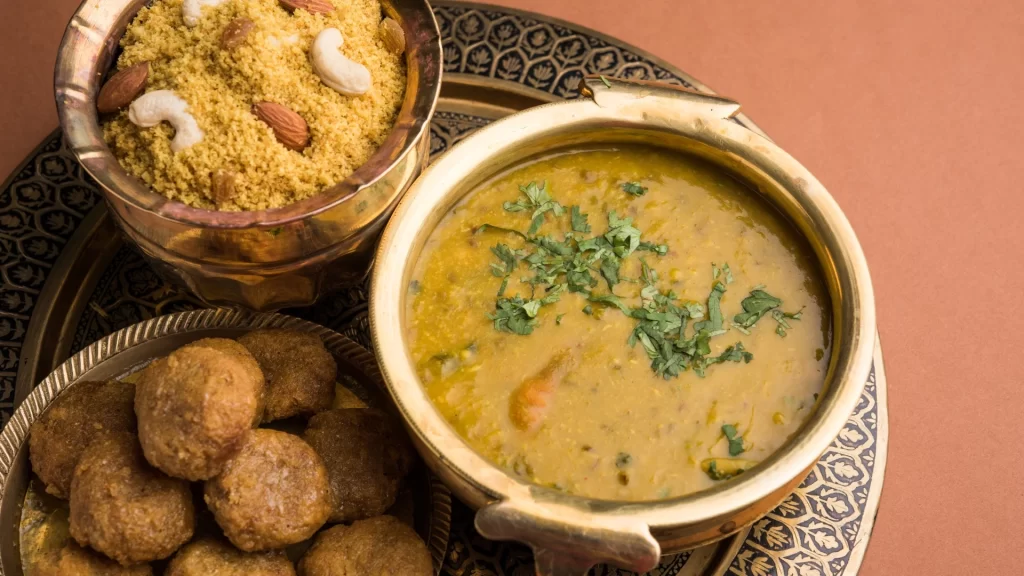
If Laal Maas tells the story of Rajasthan’s royal kitchens, Dal Baati Churma tells another story altogether: one of sustenance, ingenuity and the everyday life of the land. It is perhaps the dish most closely associated with Rajasthan.
Dal is made with lentils such as toor, chana or moong, simmered with garlic, ginger, turmeric and cumin. Baati are small wheat-flour balls baked until golden, then cracked open and generously soaked in ghee. Finally, churma is made by crushing baati and mixing it with ghee and jaggery or sugar. Together, the savoury dal, ghee-soaked baati and sweet churma make for a wonderfully indulgent and hearty meal.
There is a story behind the baati too. According to a long-standing tradition, soldiers would place the dough in hot sand while fighting battles or travelling, allowing it to bake in the heat. When they returned, the cooked baati could be dipped in ghee and eaten as a nourishing meal, providing sustenance for the following day. Churma, according to another popular story, came later through a happy accident: a cook is said to have added sweet syrup to baati by mistake. The resulting combination eventually became the sweet element of the dish.
The ingenuity of a vegetarian kitchen
Much of the magic of Rajasthani food lies in the way its cooks learned to create variety without relying on an abundance of vegetables. Gatte ki Sabzi is a perfect example. Gram flour, or besan, is turned into dumplings, shaped into cylinders and boiled or steamed before being cut into pieces. These are then cooked in a tangy, spiced yoghurt-based gravy, traditionally eaten with roti or steamed rice.
Then there is Bajre ki Roti with lehsun chutney. Pearl millet, or bajra, requires considerably less water to cultivate than many other grains, making it particularly well suited to Rajasthan’s dry landscape. The rotis are hearty and rustic, and generous amounts of ghee are traditionally added to make them softer and richer. Paired with lehsun chutney, a punchy garlic preparation, bajre ki roti becomes a meal that is simple in appearance but full of character.
Even the desert itself finds its way onto the plate. Ker Sangri combines ker, a desert berry, with sangri, the long bean of the khejri tree. Both are particularly suited to Rajasthan’s arid environment. The ingredients can be dried and stored, then cooked with red chilli, ajwain, salt, turmeric and cumin. The resulting dish is dry, tangy, spicy and distinctly of the desert.
Kachoris, chillies and the pleasures between meals
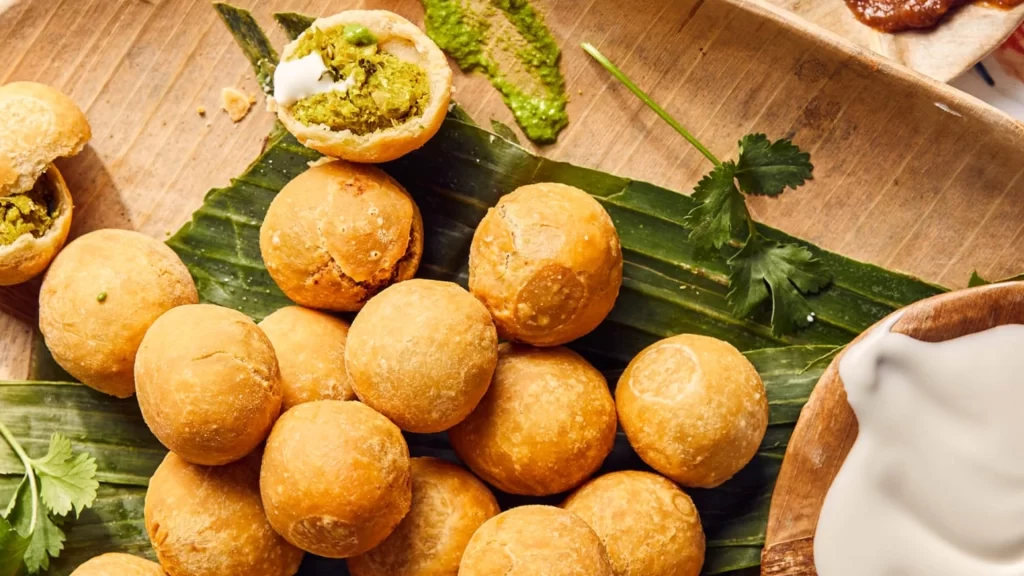
Not every introduction to Rajasthani food needs to happen over a long lunch or dinner. Some of the state’s most memorable flavours appear in the form of snacks, eaten casually as the day unfolds.
Pyaaz Kachori is one of them. A crisp, flaky pastry gives way to a filling of spiced onion, its sweetness deepened as the onions cook and caramelise. It is rich, savoury and wonderfully moreish, particularly when eaten warm.
Mirchi vada is another Jodhpur speciality, known for its fiery kick. Large green chillies are slit open, filled with a spicy mixture that can include potato, besan and amchur, and then deep-fried until crisp. The result is crunchy, savoury, hot and tangy, usually served with a sweet-and-sour chutney.
Something sweet to finish

After the spices, chillies and richness of the savoury dishes, Rajasthan has plenty of ways to end on a sweeter note.
Ghewar is perhaps the most recognisable. With its delicate, honeycomb-like texture, this deep-fried sweet is soaked in sugar syrup and made in several versions, from plain to mawa and malai. Mawa is a rich, grainy preparation made by slowly simmering milk until most of the moisture evaporates and the solids remain. Malai brings creaminess to the sweet. The result can range from relatively simple to wonderfully indulgent.
Taste Rajasthan, slowly
Food gives a traveller another way to experience Rajasthan beyond its monuments. After a morning wandering through the courtyards of a palace, there might be a plate of Dal Baati Churma waiting at lunch. A day in Jodhpur could bring a hot Mirchi Vada or Pyaaz Kachori from a bustling market. An evening in a heritage property might offer the chance to try Laal Maas slowly, with rice or bajra roti, followed by something sweet.
Rajasthan’s forts, palaces and desert landscapes may be what first draw travellers here. But sit down at a Rajasthani table and another side of the state comes to life. It is a story of scarcity turned into ingenuity, of warriors and royal kitchens, of festivals and family traditions, of ingredients shaped by the desert and recipes carried across generations.
To understand Rajasthan, it is worth tasting it too.