
“The real voyage of discovery consists not in seeking new landscapes, but in having new eyes.” — Marcel Proust.
Luxury travel in India is being redefined by an emerging demand for depth and authenticity over surface-level or performative experiences. This shift is especially pronounced among those who have experienced conventional India circuits.
This transformation is reflected in the rise of textile tourism, which blends heritage, design, and human connection. At its core, this movement seeks travel experiences that are slower, more meaningful, and contextually rich.
The modern traveller is yearning for authenticity and connection. In contrast to the rapid pace of daily life, packing it all in, as much as possible, slow travel offers a chance to pause, reflect, and interact deeply with a destination and its people.
It’s about quality over quantity, where meaningful interactions and immersive experiences take precedence over ticking off ‘cultural package’ checklists. More and more travellers are also tired of tokenism, and a cookie-cutter approach to ‘curation of experiences’ – a much bandied and abused term these days.
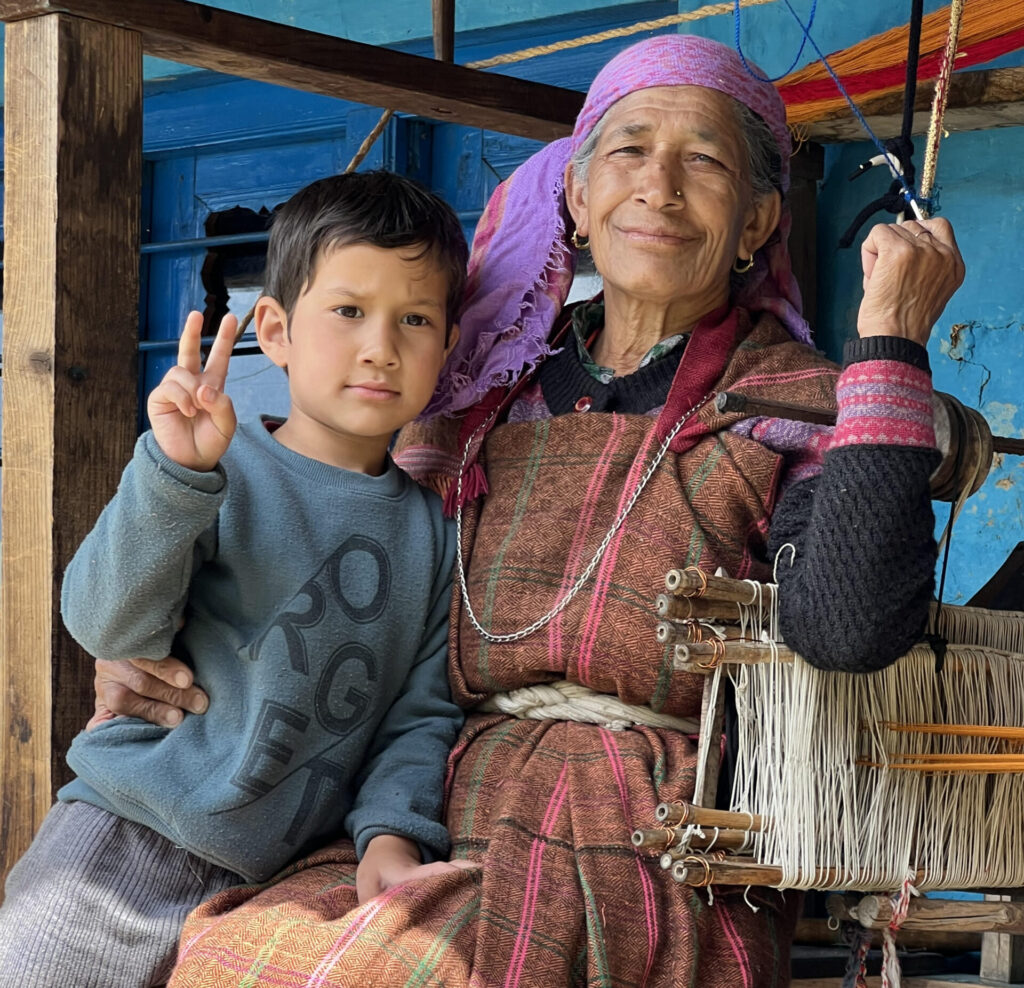
India’s artisanal legacy is deeply rooted in its history. Textile tourism goes beyond aesthetic appreciation; it provides access to knowledge systems and living traditions. Today’s traveller wants to understand, participate, and witness these traditions authentically, supporting deeper transformation in travel.
Over the past three decades, the travel landscape has evolved. The motivations have changed. Today’s travellers are information-rich but meaning-hungry. They seek more than simple aesthetics—they want experiences that offer genuine personal connection and insight.
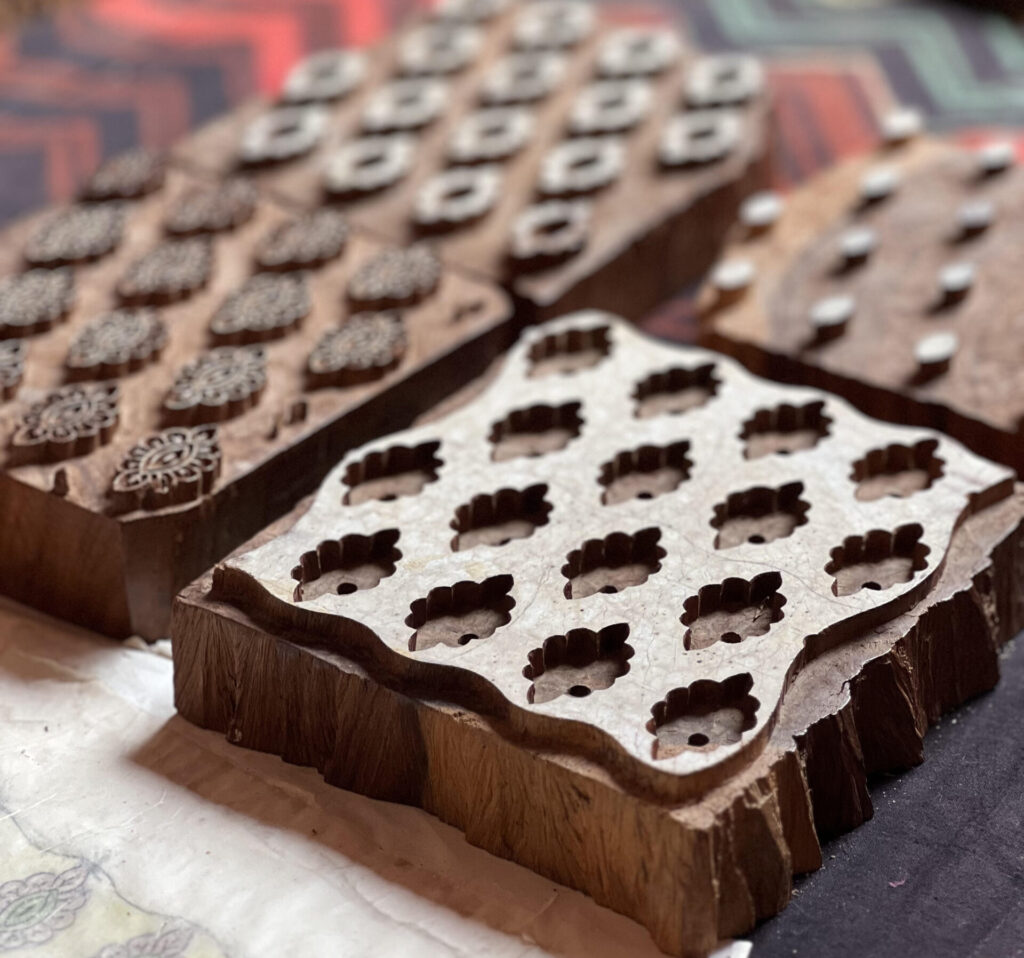
Encounters rooted in process, place, and purpose help travellers find deeper meaning and fulfilment. For instance, travellers could visit a high-end home textiles design atelier and participate in a block-printing workshop at their factory in Rajasthan, or learn about Pochampally tie & dye ikat weaving in Telangana, and engage in a dialogue around how contemporary ikat has garnered an ardent following with fashion houses worldwide, and these are just a few.
Slow travel resonates here, offering opportunities to pause and engage. The emphasis moves from checklists to conversations, from fleeting photo ops to real insight. Travellers increasingly express fatigue with formulaic experiential travel—over-curated trails and shallow artisan visits that feel more performative than personal.
Craft-led journeys, when designed thoughtfully, offer more. They are gateways to community and context. Travellers learn why a piece of cloth matters—who made it, what stories it holds, how it has adapted, and what threatens it today.
Importantly, textile tourism additionally fosters transformation. When a guest says, “I’ll never look at a textile the same way again,” it marks a perceptual shift—from consumer to conscious observer. From product to process. These are the kinds of moments that seed long-term advocacy, collaboration, and cultural stewardship.
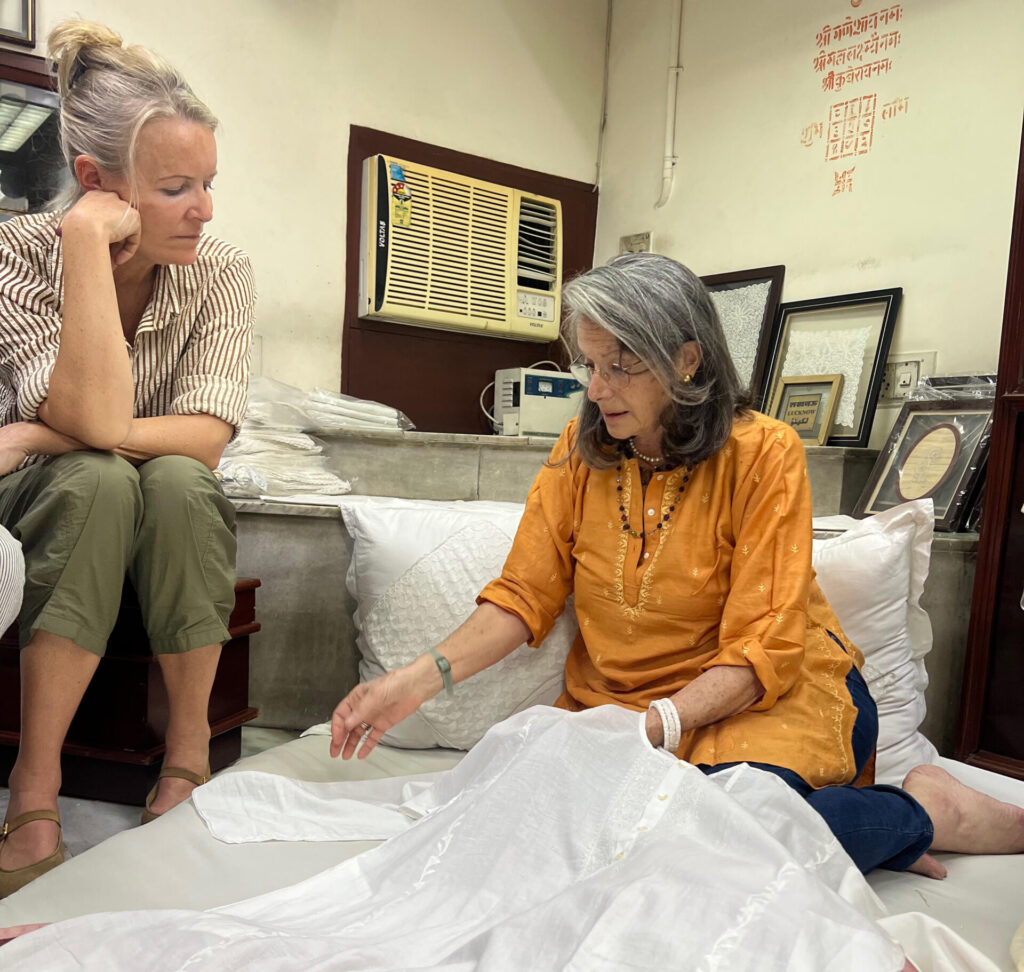
Importantly, textile tourism additionally fosters transformation. When a guest says, “I’ll never look at a textile the same way again,” it marks a perceptual shift—from consumer to conscious observer. From product to process. These are the kinds of moments that seed long-term advocacy, collaboration, and cultural stewardship.
This evolution is not accidental. It stems from a curatorial approach rooted in lived relationships. Networks and trust are built over time in the field. Facilitation bridges guests with worlds they would not otherwise enter. No two itineraries should be alike. A first-time cultural traveller, a textile collector, and a design researcher all require different levels of engagement.
The opportunity for the luxury trade is immense. Textile tourism is not a niche. It is cultural capital. But its success depends on how we build and deliver it—through empathy, nuance, and respect. Not all experiences belong in every itinerary. Authentic access cannot be scaled irresponsibly. The best journeys are quiet, textured, and rooted in mutual respect.
We should reflect on what textile tourism offers today’s traveller and begin to map where and how it can be experienced most meaningfully. Heritage is the soul of this offering, so next, we focus on the regions and communities that bring it to life.
Stay tuned..
Authored by Shilpa Sharma