
South India is a part of the country where history, culture and nature come together in remarkable ways. Ancient temples and royal ruins tell stories of powerful kingdoms, while the Western Ghats bring lush hills, coffee plantations and dense forests. Further north, the landscape changes again, revealing the dramatic boulders and magnificent ruins of Hampi. This 11-day Deccan Trail with Evolve Back brings together three very different sides of Karnataka: the extraordinary heritage of Hampi, the coffee country of Coorg, and the forests and wildlife of Kabini.
Where you stay can be an important part of a journey such as this. A beautiful resort gives you somewhere to return to after a day of exploring, but the right one can also deepen your connection with the destination itself. Evolve Back’s approach is centred on creating exquisite holiday experiences while preserving the purity of the nature and culture around its resorts. Its properties draw on local architecture, traditions, communities and cuisine to create experiences that feel authentic to their surroundings, while retaining the comfort and service expected of a luxury stay.
But first, a little about the three destinations.
Hampi
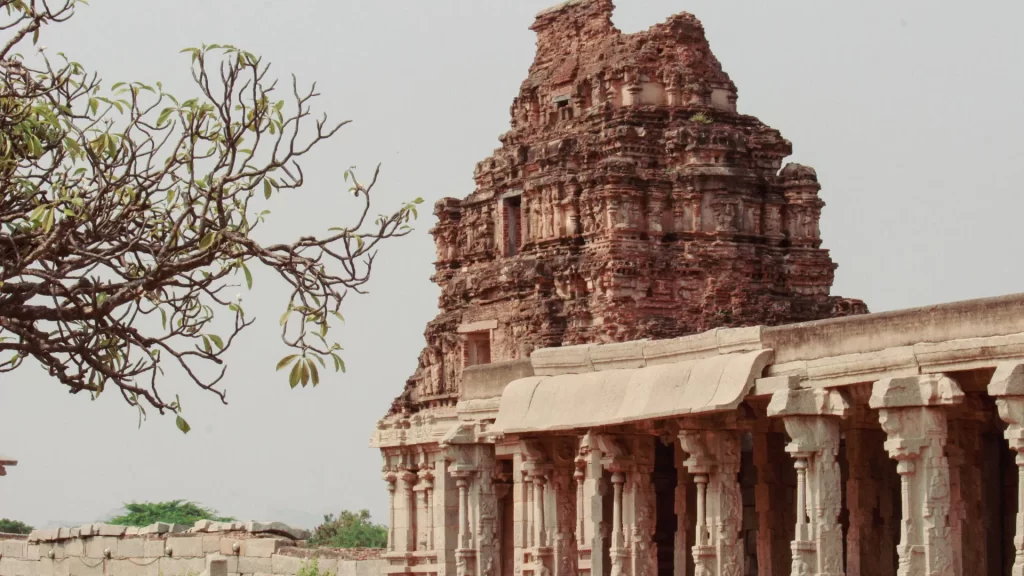
In the heart of the Deccan Plateau, Hampi is a UNESCO World Heritage Site and home to the remarkable remains of the Vijayanagara Empire. Once the capital of one of South India’s greatest kingdoms, it was among the largest and wealthiest cities in the world between the 14th and 16th centuries.
Today, temples, palaces, markets and royal structures stand amid a striking landscape of enormous granite boulders. Walking through Hampi feels like stepping into a fascinating chapter of India’s history, with stories of its remarkable past unfolding at almost every turn.
Coorg
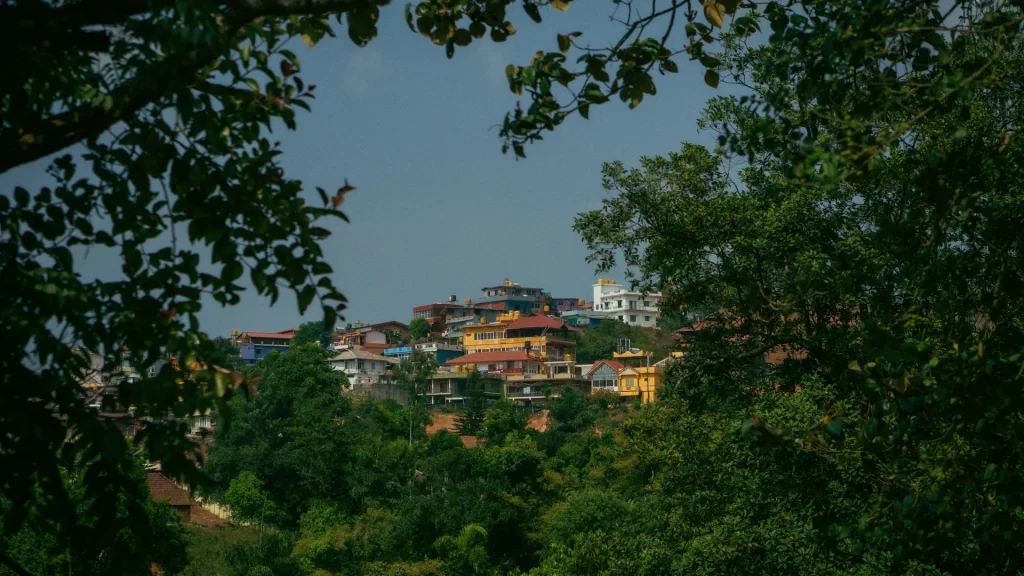
Tucked away in the Western Ghats of Karnataka, Coorg is known for its mist-covered mountains, coffee plantations in various shades of green, waterfalls, dense forests and peaceful landscapes. Often called the Scotland of India, it is also home to the distinctive Kodava culture.
Coffee is an important part of life here, with approximately 40% of India’s coffee produced in Coorg. Many third- and fourth-generation coffee farmers now welcome visitors to their estates, offering travellers an opportunity to learn about the production of one of the world’s most loved beverages.
Kabini
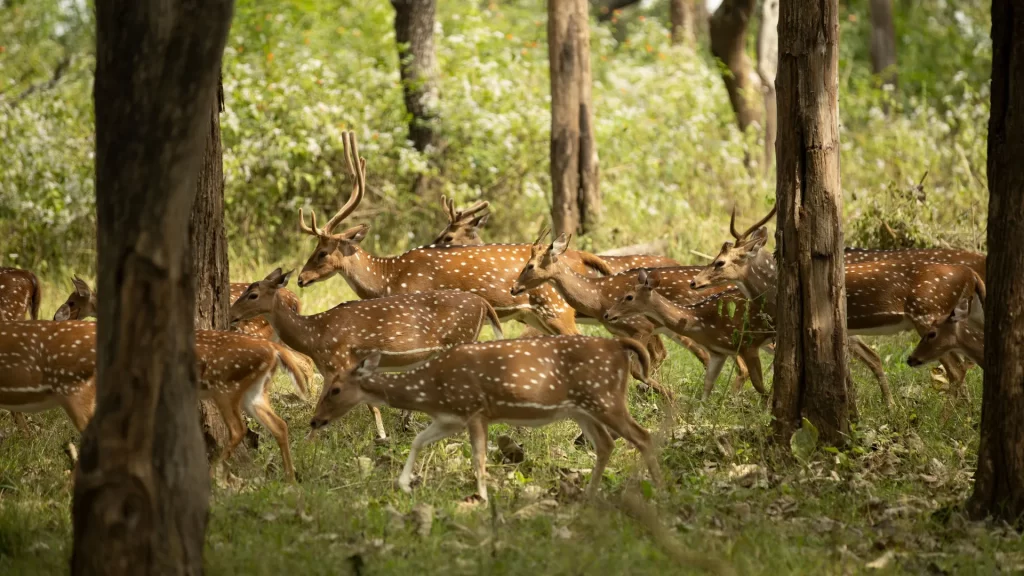
Located between Nagarhole and Bandipur National Parks, Kabini is one of India’s foremost wildlife destinations. Its forests, river and backwaters provide a beautiful setting for wildlife experiences, from safaris and nature walks to boat rides along the Kabini River.
In Kabini, the pace of travel naturally begins to slow as the forest takes over. Here, much of the experience lies in simply being present in the landscape, watching the river, listening to the forest and waiting for wildlife to reveal itself. A well-appointed resort with experienced guides and naturalists can make all the difference, offering travellers a deeper understanding of the region and helping them experience Kabini through the eyes of those who know its forests best.
The 11-day Deccan Trail
For travellers arriving from the UK, Bengaluru provides a convenient starting point. From here, the journey unfolds by road through Karnataka, with stays at Evolve Back’s properties in Hampi, Coorg and Kabini.
Day 1: Bangalore to Hampi
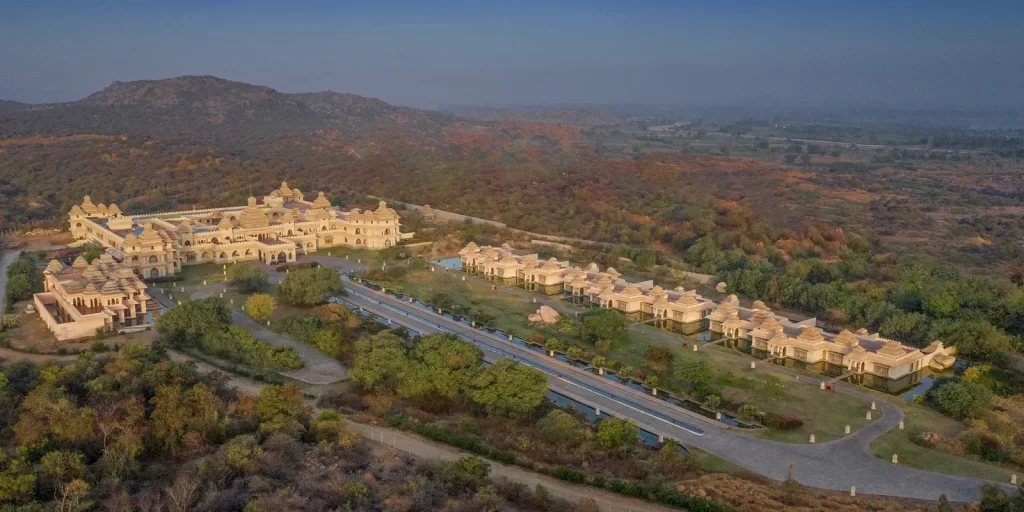
For travellers arriving from the UK, an overnight stay near Bengaluru Airport offers a relaxed start to the journey. After breakfast, continue by road to Evolve Back, Kamalapura Palace in Hampi, a journey of approximately 343 km that takes around six hours.
Here, the landscape changes dramatically, with Hampi’s striking granite boulders and ancient ruins creating a captivating backdrop. At the resort, stone-paved boulevards, arched hallways and regal chambers echo the grandeur of the 14th-century Vijayanagara Empire. After a long day on the road, there is little need to do more than settle in and relax. Dinner can be a leisurely five-course meal enjoyed beside the private pool, with a glass of wine and the stars overhead, bringing the day to a peaceful close.
Day 2: Hampi
After breakfast, travellers can set out on the ‘Virupaksha Trail’, visiting the Virupaksha Temple before continuing towards the Krishna Temple and the impressive Narasimha monolith.
After lunch, the ‘Raya Trail’ offers an opportunity to discover Hampi’s royal centre and gain an insight into the lives of the Rayas of Vijayanagara, whose empire once dominated this part of South India. The evening can be spent unwinding at the resort, perhaps over dinner at The Bahmani restaurant, which offers another connection with the region’s history. Named after the Bahmani Sultanate, a principal rival of the Vijayanagara Empire, the restaurant serves Nawabi cuisine and draws on the rich flavours of the Deccan.
Day 3: Hampi
The next day can begin with a completely different view of Hampi. Evolve Back Hampi offers guests the chance to take an early morning hot-air balloon ride, rising to around 2,000 feet above the ground as the temples, ancient ruins and giant boulders unfold across the landscape below. After the flight, travellers can return to the resort for breakfast before continuing with the day at a leisurely pace. After lunch, those looking for a more active afternoon can opt for the Tungabhadra Trek. The route passes through giant boulders and the ruins of the Achyutaraya Temple before reaching the historic Courtesan Bazaar.
Day 4: Hampi
The last day can be reserved for some of Hampi’s most recognisable landmarks. The Stone Chariot, located within the Vijaya Vittala Temple complex, is one of the city’s most iconic monuments and a remarkable example of Vijayanagara architecture. The Hazarama Temple, Vijaya Vittala Temple and Queen’s Bath can also form part of the day’s sightseeing, revealing further glimpses into the artistic and royal traditions of the empire.
As evening falls, an intimate terrace dining experience at the resort can bring the journey to a beautiful end. Served under the Hampi skies, dinner at Katha Terrace comes with views across the boulder-strewn landscape, creating a memorable setting for the last evening before the return journey.
Day 5: Hampi to Coorg
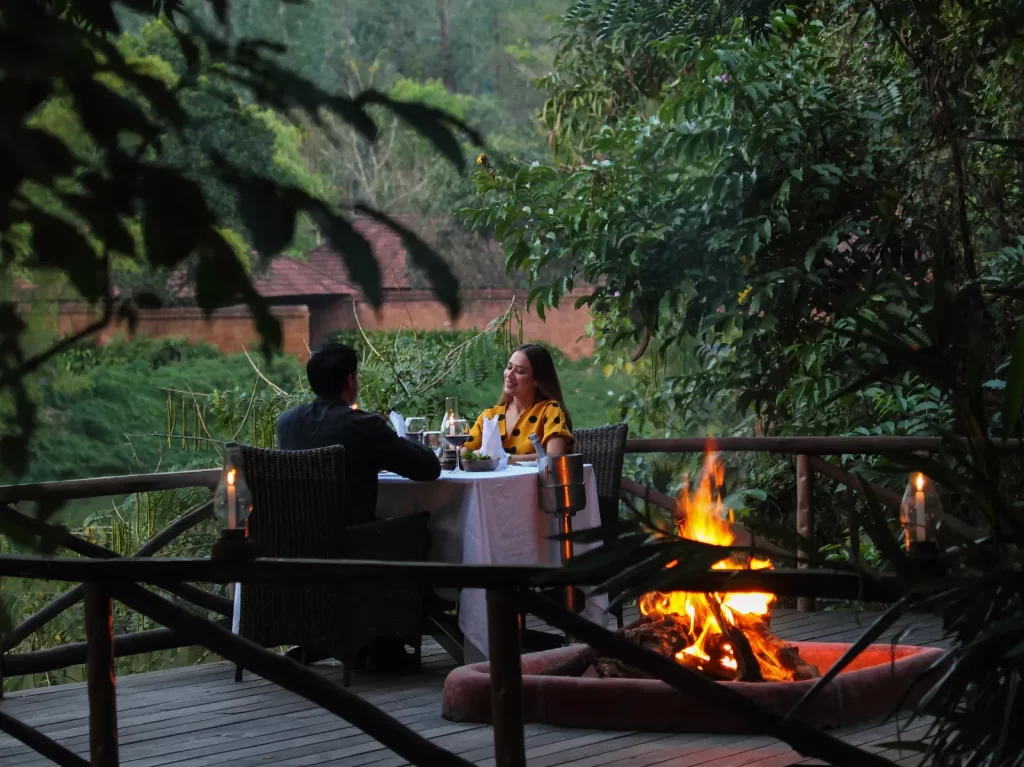
The longest road journey of the itinerary comes next, covering approximately 434 km and taking around 9 hours 17 minutes. An early departure allows travellers to reach Evolve Back, Coorg by evening.
As evening falls, an unforgettable dining experience awaits beneath the glow of lanterns by the forest. With the world seeming to grow quieter, the soft light of the lanterns and the surrounding wilderness set the mood for the days to come.
Day 6: Coorg
The day can begin with a South Indian breakfast at the resort, followed by a visit to the Sidapur Coffee & Culture Museum, organised by Evolve Back. The experience includes ‘Coffeeology’, a live session on the art and science of gourmet coffee. An estate walk beneath a canopy of pepper vines and silver oaks offers an introduction to different coffee varieties, native plants and spices, as well as the post-harvest process. Those interested in going a little deeper can also request a one-to-one roasting session, with the opportunity to roast their own beans under the guidance of a master roaster.
Later in the evening, travellers can join an interactive storytelling session at the resort, centred around Coorg’s history, culture and traditions.
And finally, dinner at Granary, an Evolve Back restaurant, brings together continental dishes, Indian cuisine and local flavours. It is also a chance to discover some of Coorg’s distinctive Kodava cuisine, perhaps through a traditional Pandi Curry served with Kadambuttu, or other rice-based specialities that reflect the culinary traditions of the region.
Day 7: Coorg
For those interested in birdlife, the morning can begin with guided birdwatching around the estate and its surrounding landscapes. Coorg is home to a remarkable variety of birds, and the region is known for sightings of species such as the Great Hornbill.
The coffee experience continues into the second day. After breakfast and some time to relax, travellers can opt for an Elkhill 4×4 experience across a 2,500-acre family-owned estate dating back to 1870. The drive offers a glimpse into the history of coffee cultivation in Coorg and the lives of the early planters. The landscape is wild and hilly, with streams winding through rocky terrain and dramatic boulders scattered across the estate. A stop for coffee and local snacks adds a distinctly Coorgi touch, making the experience feel as much about the land and its traditions as the coffee itself.
In the evening, travellers can attend a live performance of Karnataka folk dances by local artists, subject to the performance schedule. Dinner at the Peppercorn restaurant can then bring the day to a close, with kebabs and grills served in a serene setting overlooking the private lake.
Day 8: Coorg
The fourth day offers a choice between an active morning in the Western Ghats and a more leisurely afternoon in Coorg.
Travellers who enjoy walking can opt for a trek along trails such as Sharathabi, an easier 2–3 km route one way, or Brahmagiri, a more challenging trail covering 7–14 km. Depending on the trail, there may be opportunities to see elephants, Indian gaur, barking deer and Nilgiri langur. The treks are accompanied by a forest ranger and pass through dense vegetation with moss, ferns, orchids and trees such as rosewood, red silk cotton, ben teak and fig.
Alternatively, the afternoon can be kept free for a little shopping after lunch. Travellers can look for speciality coffee, locally grown spices such as black pepper, cardamom and cloves, honey, homemade chocolates, handicrafts and Tibetan artefacts, with the resort team able to suggest suitable markets.
Dinner can then be enjoyed at Plantain Leaf, Evolve Back’s vegetarian restaurant set amidst coffee and spice plantations. The menu features North and South Indian vegetarian delicacies, making for a fitting final evening in Coorg.
Day 9: Coorg to Kabini
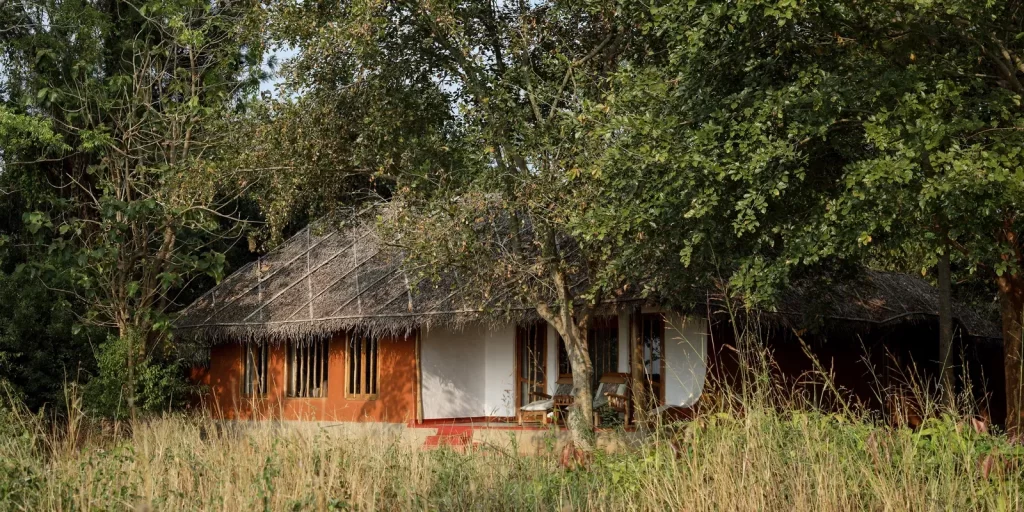
After breakfast, travellers can continue from Evolve Back Coorg to Evolve Back Kuruba Safari Lodge in Kabini. The journey is around 120 km and takes roughly three hours by road, with arrival around lunchtime.
The first evening in Kabini can remain wonderfully unhurried. At this point, a Sunset Cruise, organised by Evolve Back, takes travellers along the River Kabini, with the changing light revealing the landscape from a different perspective. The cruise is followed by a storytelling session with the naturalists, bringing the forests and waterways of the region to life. It is a gentle introduction to the wilderness that defines Kabini.
Day 10: Kabini
For wildlife enthusiasts, an early morning vehicle safari into Nagarhole National Park can provide a first glimpse of Kabini’s forests at their most active. Breakfast at the resort can follow the safari.
Later in the day, travellers can opt for the ‘Spirit of Kabini’ experience, a naturalist-led private visit in a specially designed jeep to a Jenu Kuruba settlement near the resort. The experience gives travellers a closer understanding of the area and its communities, while also bringing them closer to the surrounding natural landscape.
As evening arrives, dinner at the Honey Comb restaurant can be enjoyed overlooking the Kabini River. The restaurant serves international and regional cuisine, with regional flavours and traditional preparations adding a sense of place to the meal. The setting itself is part of the experience, particularly around sunset.
After dinner, those interested in discovering Kabini after dark can join a Night Trail around the lodge, where insects, amphibians and reptiles become the focus.
Day 11: Kabini
The morning can begin with a naturalist-led Guided Nature Walk along the banks of the Kabini River and through agricultural fields and village roads. It offers a different perspective on the landscape, away from the safari vehicle.
There is also the option of another safari through the forests, riverbanks and backwaters of the region. Kabini is home to elephants, spotted deer, gaur, tigers, dholes and bears, while the river and its backwaters provide important grazing grounds for large herds of elephants and other herbivores. A boat safari offers another way to experience the wildlife and waterways.
Later, travellers can return to the resort for some time to rest before an evening of storytelling and dinner beneath the night sky, overlooking the river.
From Kabini, travellers can continue to Bengaluru by road, a journey of around 268 km taking approximately five to six hours. From Bengaluru, the journey home to the UK marks the end of an 11-day trail across three very different landscapes, from the extraordinary ruins of Hampi through the coffee-covered hills of Coorg to the forests and waterways of Kabini.