
Jehan Numa Palace
History often remembers rulers in singular forms. Kings, emperors, conquerors. Bhopal offers a rare exception.
For nearly a century, the princely state was governed by a succession of Begums, women whose leadership combined political acumen with cultural refinement. Their legacy is not merely recorded in archives, but embedded in the very fabric of the city.
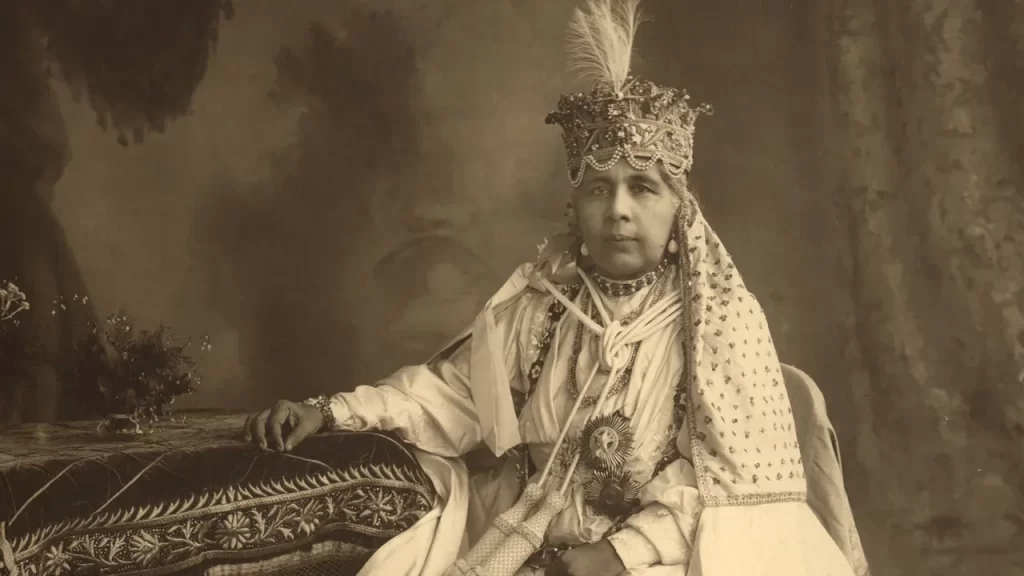
At Jehan Numa Palace, this history finds a particularly eloquent expression.
Originally built in the 19th century, the palace reflects a synthesis of architectural influences. British colonial sensibilities meet Indo-Islamic detailing, resulting in a structure that feels both stately and surprisingly intimate. Arched verandas open onto expansive lawns, while interiors retain a quiet elegance that resists excess.
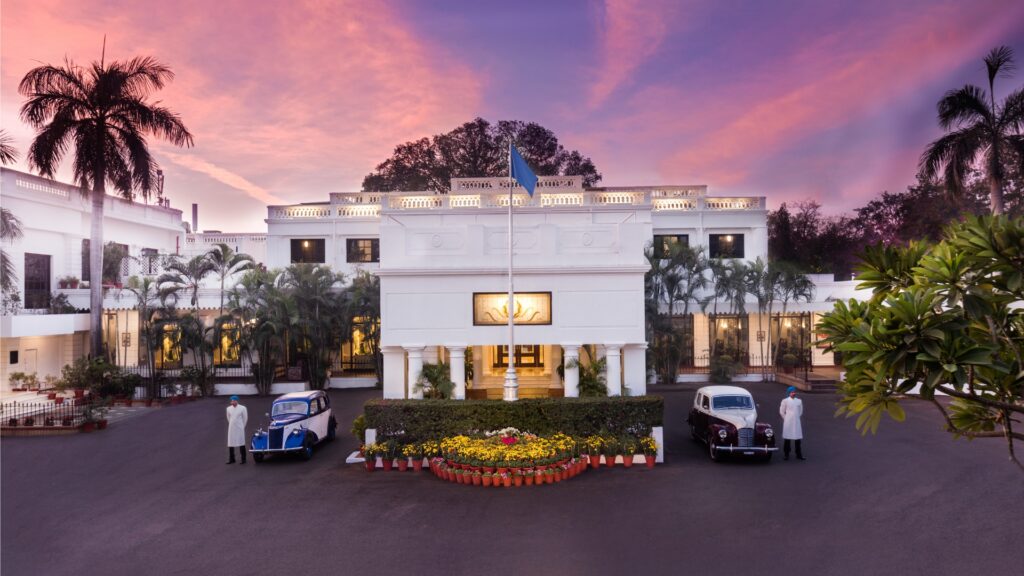
What makes Jehan Numa compelling is not simply its architecture, but the narrative it carries.
The Begums of Bhopal were known for their progressive outlook. They championed education, infrastructure and cultural patronage at a time when such leadership was far from commonplace. Their influence extended beyond governance into the shaping of a city that valued intellect and refinement.
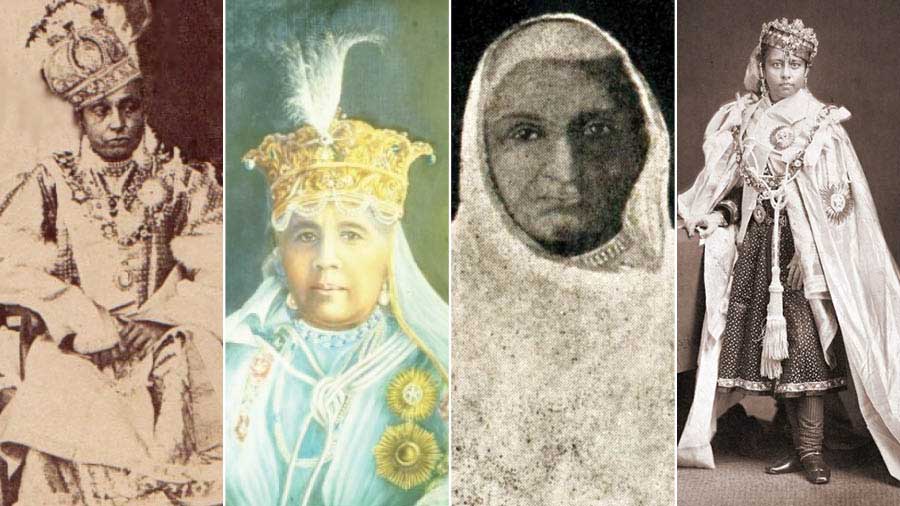
This legacy is perceptible even today. A stay at Jehan Numa is not defined by spectacle, but by atmosphere. Mornings arrive softly, filtered through gardens that seem unchanged by time. Evenings settle into a rhythm that encourages reflection rather than distraction.
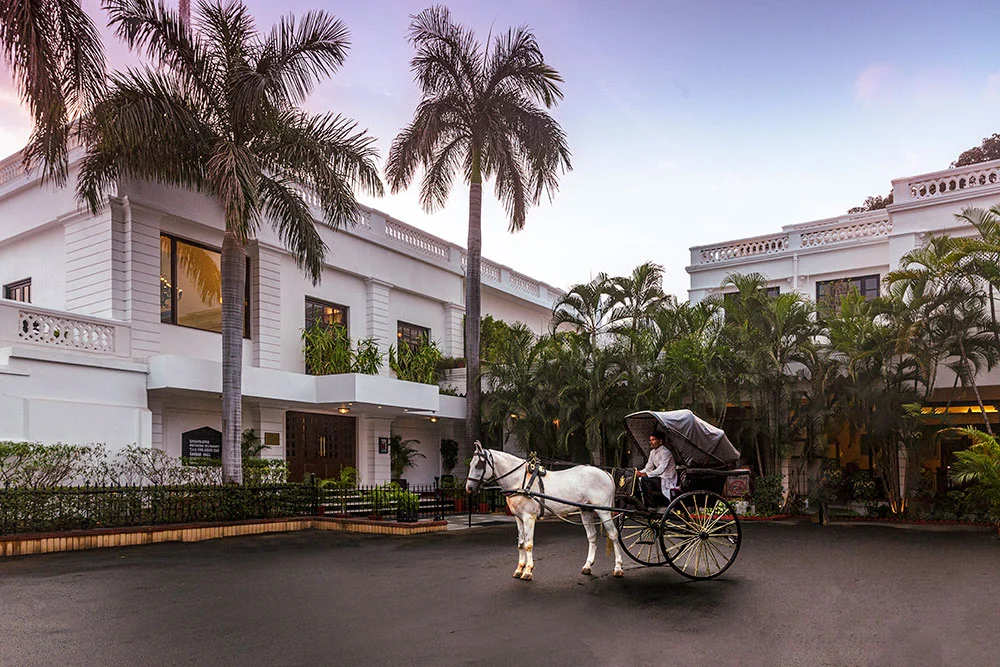
There is a certain quiet confidence to the place, as though it has no need to assert its importance. And perhaps that is precisely its charm. In Bhopal, history does not demand attention. It reveals itself gently, to those willing to look beyond the obvious.