
Glenburn’s elegant bridge between Darjeeling and Calcutta
There are journeys that make sense on a map, and then there are journeys that make sense in the imagination. Glenburn belongs firmly to the latter category.
It begins in Darjeeling, where tea gardens roll down Himalayan slopes and Kanchenjunga appears when the clouds are feeling generous. It continues in Calcutta, a city of intellect, memory, argument, architecture and excellent breakfasts. Together, Glenburn Tea Estate & Boutique Hotel and Glenburn Penthouse offer one of India’s most elegant pairings: the plantation and the city, the hill and the metropolis, the cup of tea and the conversation that follows.
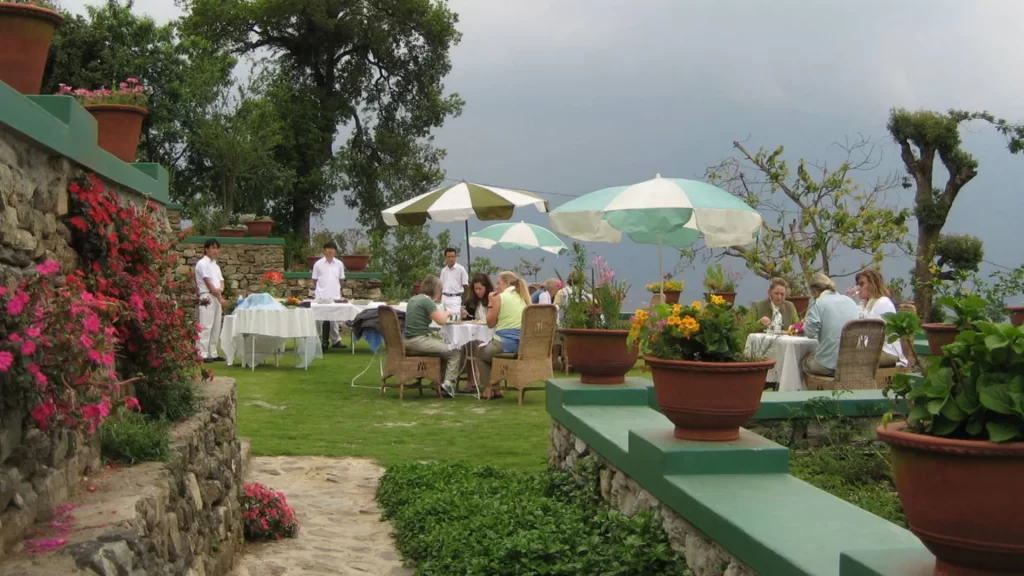
Glenburn Tea Estate sits above the banks of the River Rungeet, high in the Himalayas, overlooked by the Kanchenjunga range. The estate was started by a Scottish tea company in 1859 and later passed into the hands of the Prakash family, one of India’s pioneering tea-planting families. The setting alone would be enough for most places. Glenburn, however, understands that tea is not a beverage here. It is geography, history, labour, seasonality and ritual.
A stay at Glenburn invites travellers into the slower intelligence of estate life. There are tea experiences, walks, hikes, river picnics, gardens, village visits and the long, civilised pleasure of looking at mountains without needing to conquer them. The best journeys in Darjeeling are often measured not in miles but in gradients, weather and the number of cups one can drink before admitting that one is perfectly happy not to go anywhere at all.
Then comes Calcutta.
The Glenburn Penthouse is set in the historic heart of the city, with views overlooking the Victoria Memorial. It offers a refined urban counterpoint to the estate, allowing travellers to experience Calcutta with comfort, perspective and a sense of old-world elegance. Its tea and culture itineraries connect the city with Darjeeling through guided walks, historic sites, markets, museums and river experiences.
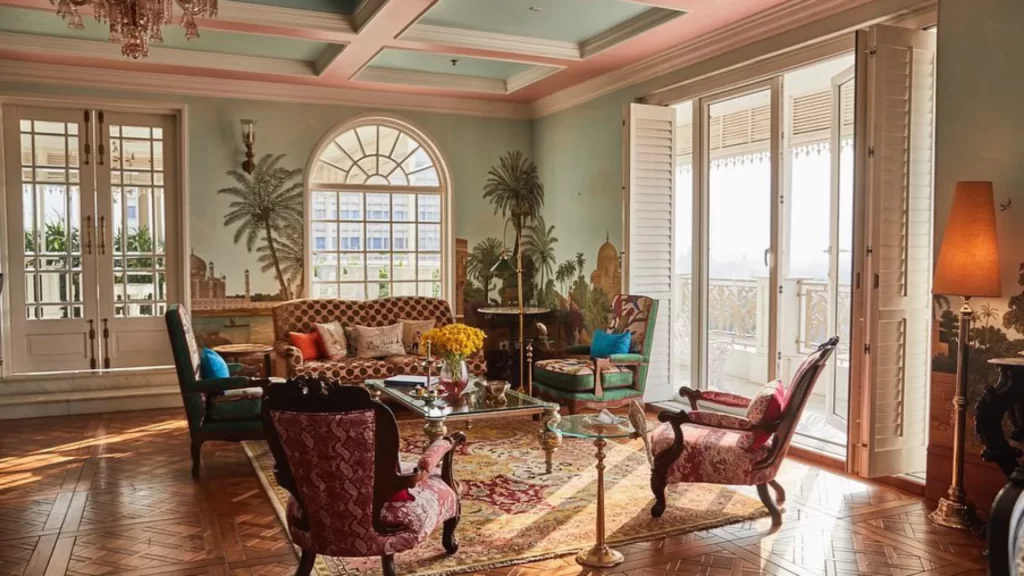
This pairing works because Calcutta and Darjeeling have always spoken to one another. The city shaped commerce, culture and colonial administration. The hills shaped retreat, tea and a distinct social world of planters, workers, travellers and mountain communities. To move between them is to understand a larger story of eastern India.
Glenburn does not reduce this to nostalgia. It offers continuity. The estate is alive, the tea is being made, the city continues to argue with itself magnificently, and the traveller is invited to take a seat, preferably by a window.
In an age of itineraries designed for speed, Glenburn offers something unfashionably persuasive: the luxury of context.
First the tea. Then the city. Then, with any luck, the beginnings of understanding.