
The Western Ghats and the Quiet Majesty of Evolve Back Kabini
The Himalayas, for all their swagger and cinematic grandeur, tend to dominate conversations about India’s natural world. They arrive in photographs with snow-draped theatrics and existential scale, making everyone feel poetically insignificant. Very marvellous, of course.
But long before the Himalayas thrust themselves dramatically skyward, another landscape had already settled quietly into ecological greatness.
The Western Ghats.
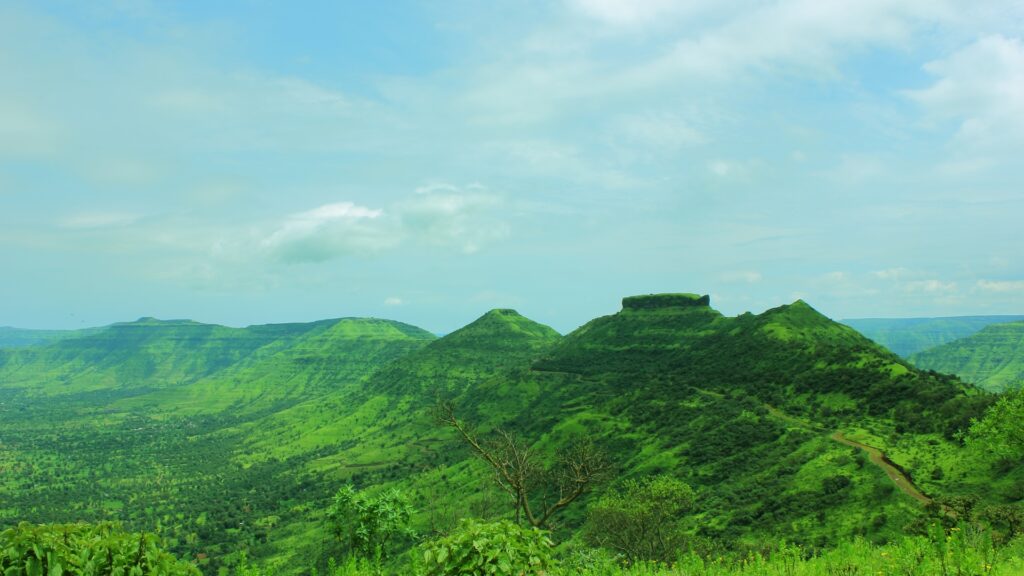
Older than the Himalayas by tens of millions of years, these ancient mountains run discreetly along India’s western edge, shaping monsoons, nurturing rivers, and sustaining one of the richest concentrations of biodiversity anywhere on Earth. UNESCO recognises the Western Ghats as one of the world’s eight “hottest hotspots” of biological diversity, though the phrase somehow feels rather inadequate for a landscape that appears to have mastered the art of life itself.
Here, forests breathe with extraordinary complexity. Mist hangs low over canopies dense with endemic species found nowhere else on the planet. Lion-tailed macaques move through treetops with aristocratic indifference. Malabar giant squirrels leap with impossible confidence. Elephants carve silent pathways through teak and bamboo forests while leopards observe proceedings with customary discretion. And then there are the birds.
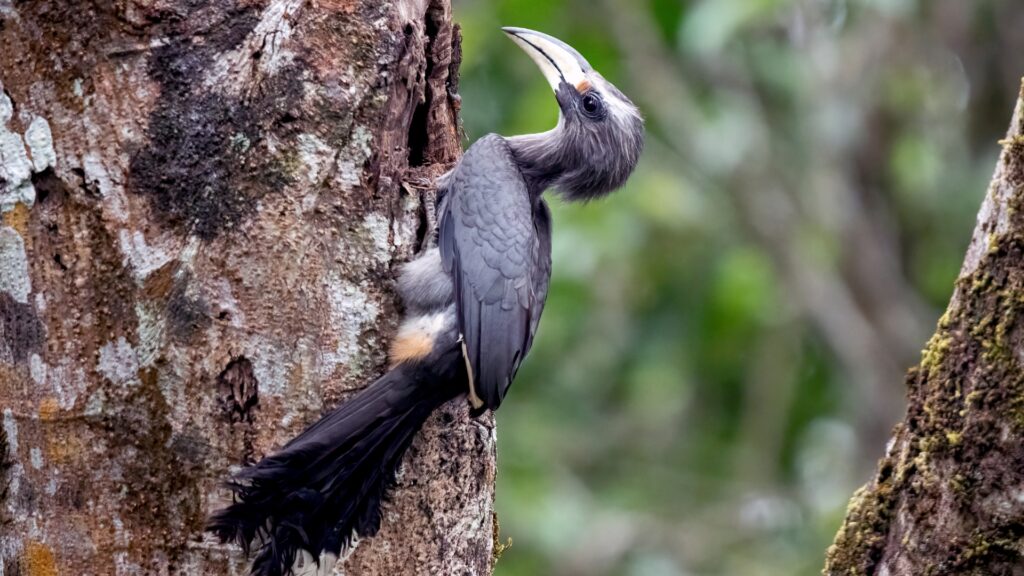
One suspects the Western Ghats were designed specifically for people who derive unreasonable joy from spotting hornbills at dawn. It is within this remarkable ecological theatre that Evolve Back Kabini finds its place. Importantly, it does not attempt to dominate the landscape. That, perhaps, is its greatest achievement.
Set along the banks of the Kabini River, at the edge of Nagarhole National Park, the lodge understands something many luxury stays still struggle to grasp: wilderness does not require embellishment. It merely requires respect.
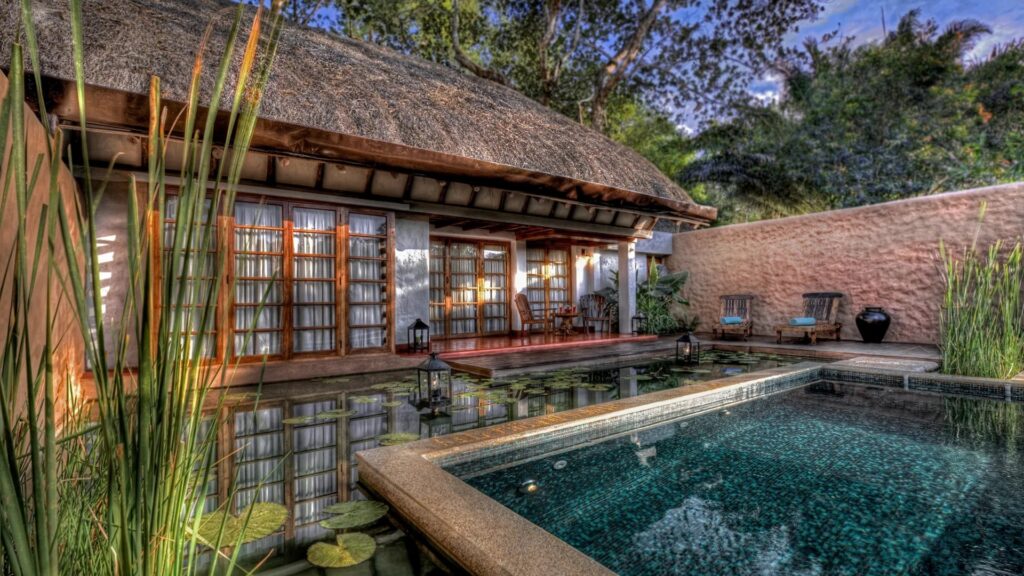
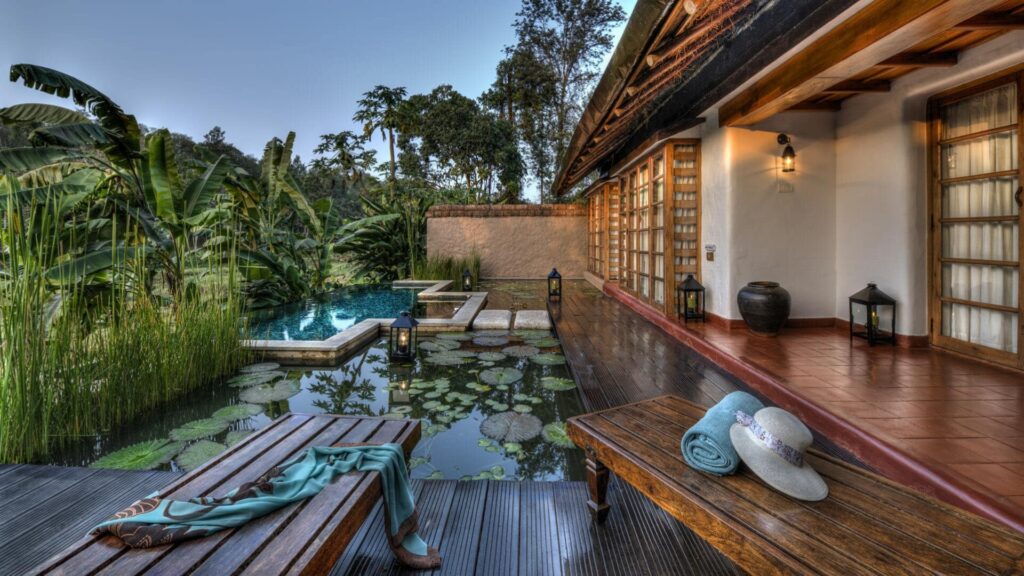
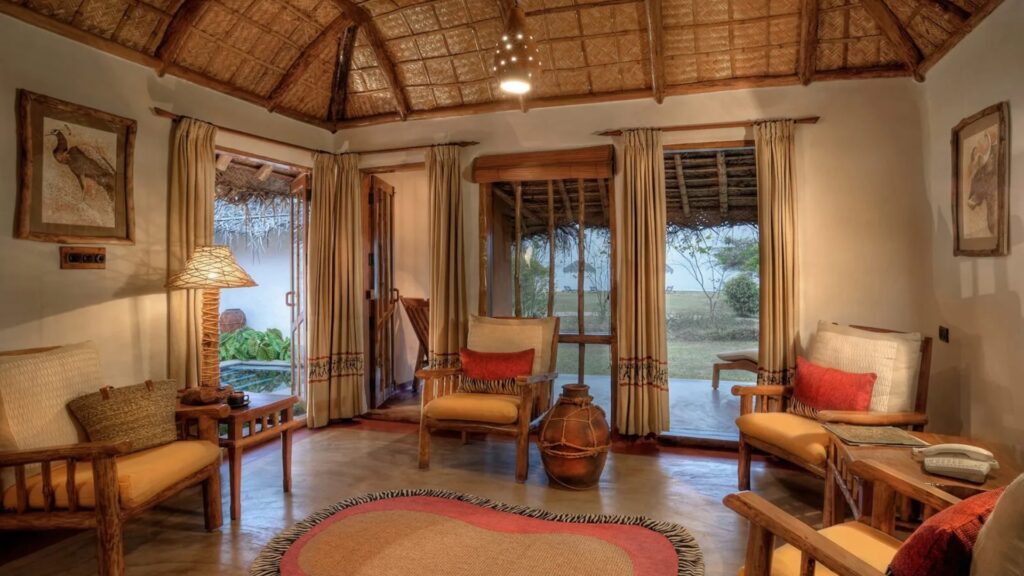
The architecture borrows thoughtfully from the region’s tribal settlements and colonial safari lodges, creating spaces that feel rooted rather than imposed. Villas open quietly into nature. Wooden textures, earth tones, and expansive verandahs encourage observation rather than distraction. One never feels separated from the forest here. Merely sheltered within it.
Kabini itself occupies a fascinating ecological intersection. Once the private hunting grounds of the Maharajas of Mysore, the region now forms part of the Nilgiri Biosphere Reserve, one of India’s most important conservation landscapes. The forests connect vital wildlife corridors across Karnataka, Kerala and Tamil Nadu, allowing elephants, tigers, dholes and gaurs to move across large territories with relative continuity. This matters enormously.
Conservation, contrary to popular belief, is not merely about protecting charismatic animals for the satisfaction of wildlife photographers equipped with lenses resembling small artillery. It is about preserving entire systems. The Western Ghats are precisely that: a living system.
The forests regulate climate, store carbon, protect watersheds and sustain communities across peninsular India. Nearly 245 million people depend directly on rivers originating here. Remove the Ghats, and vast portions of southern India become ecologically unstable.
Which is why places such as Evolve Back Kabini carry significance beyond hospitality. The experience here subtly encourages a different pace of engagement with nature. Safaris unfold without the feverish urgency that increasingly characterises wildlife tourism elsewhere. Naturalists speak not only of tigers, though there are certainly enough conversations about tigers to satisfy the enthusiast, but of termite mounds, canopy ecology, invasive species, bird calls and seasonal rhythms.
One leaves understanding that biodiversity is not spectacle. It is relationship. Even the famed boat safaris on the Kabini River reveal this beautifully. Elephants emerge from forests at dusk, moving towards the waterline with astonishing gentleness for creatures of such scale. Marsh crocodiles linger half-submerged in silence. Fish eagles circle overhead. The landscape performs no grand drama. It simply continues being itself.
And perhaps that is precisely why it feels so profound.
Luxury travel often concerns itself with access. Access to exclusivity. Access to rarity. Access to experiences others cannot easily replicate.
Yet the rarest experience in modern life may simply be uninterrupted immersion in a thriving natural world. The Western Ghats offer precisely that.
Not manicured wilderness. Not curated adventure.
But ecosystems still functioning largely as they have for millennia.
Of course, these landscapes are not immune to pressure. Deforestation, unregulated tourism, climate instability and fragmented development continue to threaten biodiversity across the Ghats. Which makes thoughtful hospitality increasingly important.
Properties such as Evolve Back Kabini demonstrate that tourism, when approached responsibly, can strengthen conservation narratives rather than dilute them. By creating economic value around intact ecosystems, such models encourage preservation over extraction.
There is something quietly hopeful about that.
Because for all our conversations about sustainability, carbon neutrality and ecological responsibility, the truth remains surprisingly simple.
People protect what they learn to value. And few places inspire value quite like the Western Ghats.
Perhaps the real luxury here lies not in the villas or the safaris, excellent though they are, but in the rare privilege of witnessing an ancient ecosystem still profoundly alive.
One leaves Kabini with the distinct feeling that the forest was never performing for us at all. We were merely fortunate enough to be allowed in.