
A 16-day journey through Tamil Nadu and Kerala
South India has a way of revealing itself slowly. A temple appears around a bend in the road, a village market comes alive with colour, the scent of freshly ground spices follows you through a plantation, and by evening, the landscape may have changed completely. Then there is the food: regional, deeply rooted and often best discovered by understanding its roots.
This 16-day journey with CGH Earth brings together some of South India’s most fascinating places, moving from the French-colonial streets of Puducherry and the temples of Tamil Nadu to the spice plantations, forests and backwaters of Kerala. Along the way are hands-on experiences, village encounters, remarkable food and plenty of opportunities to simply enjoy being somewhere new.
The journey begins in Chennai. Arrive, rest and let the adventure begin the following morning.
Day 1: Reach Puducherry
After breakfast, leave Chennai behind and drive towards Puducherry. The journey takes around two and a half hours, but there is plenty to see if you feel like stretching the day.
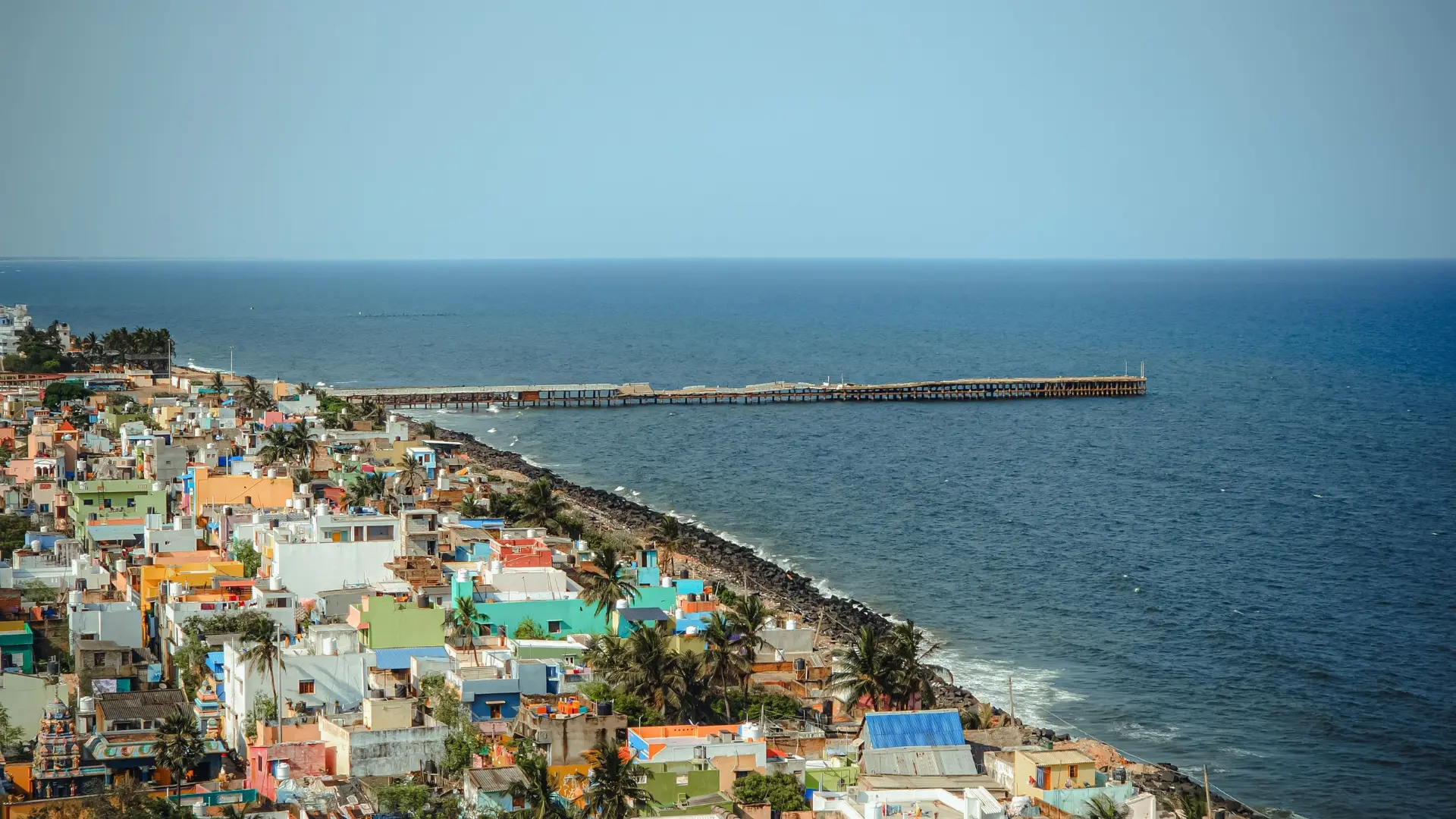
One option is Dakshinachitra, a fascinating living museum that brings together the architecture, crafts, lifestyles and performing arts of South India. It is a colourful introduction to the many traditions that make up the region.
Another possibility is a stop in Mahabalipuram for lunch and a visit to the Shore Temple. Standing dramatically beside the Bay of Bengal, the 8th-century temple is one of the finest examples of Pallava architecture and one of the area’s most recognisable landmarks.
By evening, arrive at Palais de Mahe, CGH Earth. Once you have settled in, head towards the promenade for your first taste of Puducherry by the sea. The shoreline, warm evening light and sound of the waves make an easy introduction to the journey.
Dinner brings the flavours of the coast to the table. The restaurant serves everything from herb-crusted pork to fish curry, mango prawn curry with appam and meen pollichathu. Seafood is selected from boats arriving at the nearby harbour, with the day’s catch helping to shape the menu.
It is a fitting first dinner in South India: fresh, local and very much of the place.
Day 2: Explore Puducherry
Start the morning at Goubert Market, where Puducherry feels wonderfully alive. Take a tuk-tuk or walk through the market’s different sections, and watch the fish, meat, vegetables, flowers, spices and everyday ingredients fill the stalls.
It is not just a place to shop. Spend a little time watching the vendors and customers negotiate, chat and go about their morning routines. The colours, aromas and constant movement offer an immediate glimpse into everyday life in the city.
Return to Palais de Mahe for breakfast before setting off for Auroville. Conceived as the ‘Universal Town’, Auroville brings together people from different countries and backgrounds in a community built around the idea of living in harmony. CGH Earth arranges a curated visit with an Auroville resident, making it possible to see the community beyond the usual visitor experience and hear some of its stories first-hand.
During the afternoon, there is time to relax with a drink at the hotel bar or see more of the city on the ‘Life of Pondy on Wheels’ rickshaw tour. The colourful ride takes in some of Puducherry’s best-known sights, including the Aurobindo Ashram, Manakula Vinayagar Temple, the statue of Dupleix, Basilica of the Sacred Heart of Jesus, Kuthba Mosque and Goubert Market.
Return to the hotel for dinner and a relaxed evening.
Day 3: Reach Kumbakonam
Leave Puducherry in the morning and head towards Kumbakonam, a drive of around three hours.
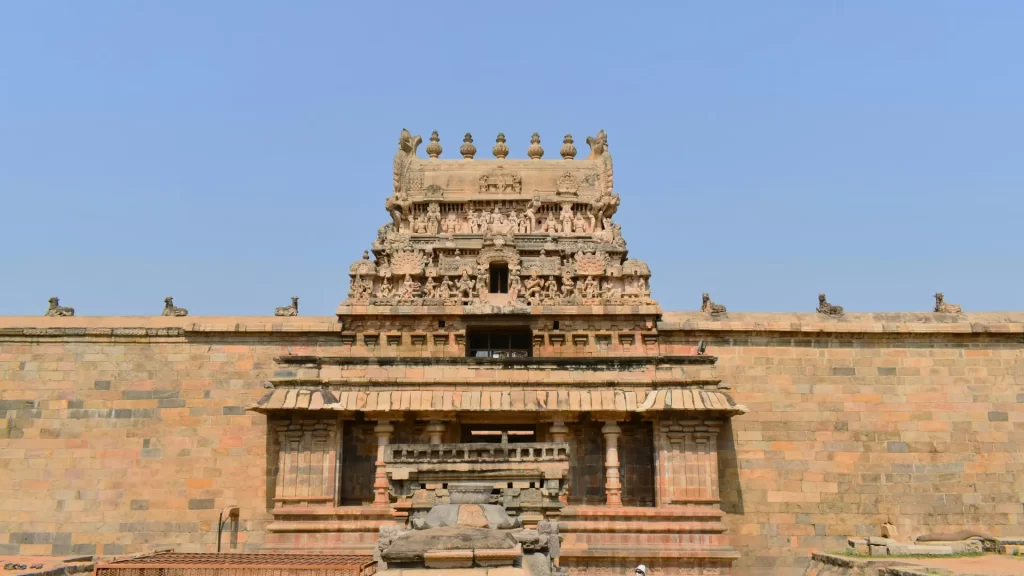
There are two fascinating stops to make along the way. The first is Chidambaram, a small town near the Bay of Bengal and home to one of India’s most important Shiva temples. After visiting Chidambaram, continue to Gangaikonda Cholapuram, built by Rajendra Chola to rival the magnificent temple commissioned by his father, Rajaraja Chola. The temple is an impressive reminder of the ambition and artistry of the Chola dynasty, and is particularly known for its enormous Shivalingam.
Arrive at Mantra Koodam, CGH Earth, just in time for lunch and a little rest.
Later, settle beneath the thatched roof of the property’s Tea Kadai with a hot cup of chai. Inspired by the humble tea stalls found along Tamil Nadu’s roads, it is surrounded by coconut groves and has the wonderfully unhurried atmosphere of a place where conversations tend to last a little longer.
Then comes the chance to get your hands dirty. During a traditional pottery session, learn to shape earthen pots using clay and river sand. There is something particularly satisfying about making something with your own hands, and you can take your finished creation home as a very personal souvenir of Kumbakonam.
Dinner at Mantra Koodam introduces the distinctive flavours of Cholanadu cuisine. Try the crab soup, country chicken or mutton with rice, or go all out with the Maharaja Thali, which brings together 17 regional delicacies.
Day 4: Explore Kumbakonam
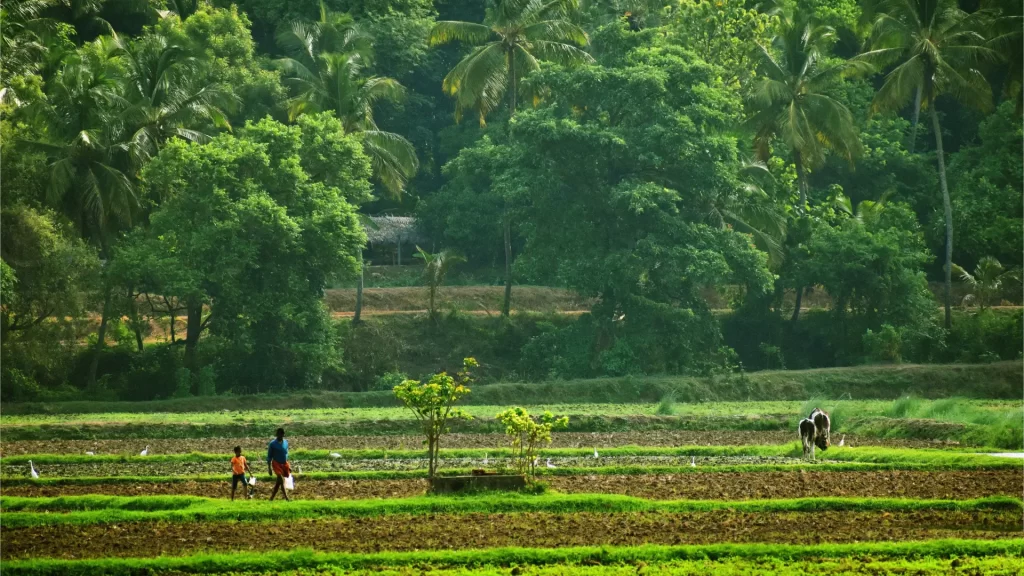
Begin the morning with a ride through hamlets and paddy fields accompanied by one of CGH Earth’s storytellers. The route leads to the small shrine of Sapta Kanni, home to the seven river goddesses of the South and a place where local farmers come to pray for a good harvest.
There is also a stop at a local mill, where villagers bring grains to be ground, before a leisurely cycle back through the village lanes.
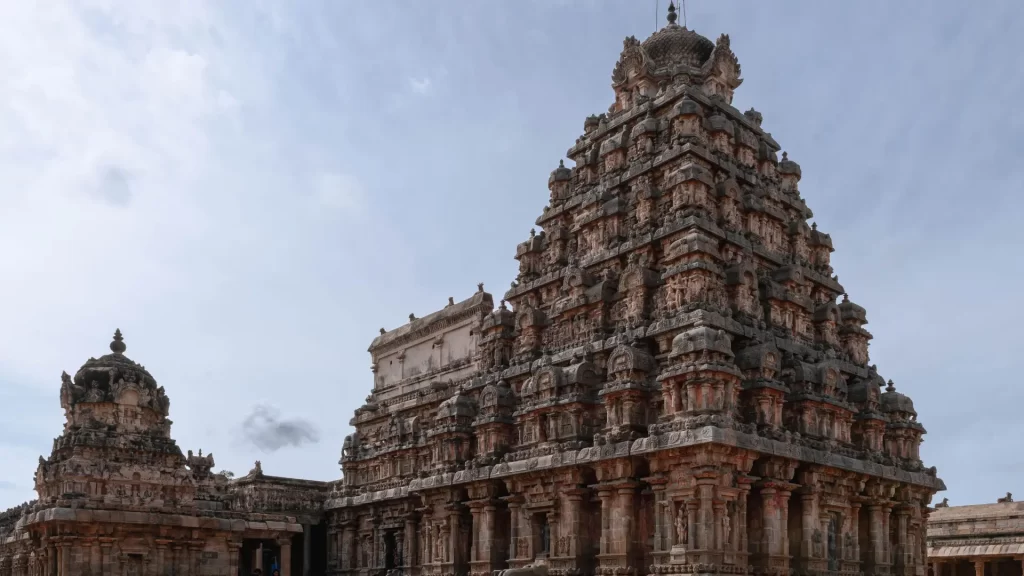
After breakfast, turn to the extraordinary temple heritage of the Chola dynasty. Visit Adi Kumbeswarar Temple in Kumbakonam and Airavatesvara Temple in Darasuram, taking a break for lunch at a local restaurant along the way.
The afternoon can be devoted to another side of the region: its crafts. Kumbakonam is surrounded by artisan communities whose skills have been passed down through generations. The excursion takes in brass work at Nachiyarkoil, wood carving at Andipandhal, doll making at Karrupur, lost-wax casting at Swamimalai and silk weaving at Thirubhuvanam.
By evening, return to Mantra Koodam. There is time for a drink and a little downtime before dinner.
Day 5: Reach Chettinad
After breakfast, set off towards Chettinad, stopping in Thanjavur along the way.
The magnificent 10th-century Brihadeshwara Temple is impossible to miss. Its towering architecture, enormous Nandi and vast Shiva shrine offer a glimpse into the extraordinary scale and craftsmanship of the Chola period. Around the temple, local markets provide an opportunity to see traditional terracotta dolls, stone-studded brass idols and paintings, perhaps with a cup of freshly made South Indian filter coffee along the way.
Next stop can be the 16th-century Thanjavur Palace, once the seat of the Maratha rulers. Its huge archways, pillared halls, bell tower, observation towers and art gallery offer another perspective on the region’s royal history. The nearby Saraswathi Mahal Library is another remarkable stop. One of Asia’s oldest libraries, it holds more than a million manuscripts in Indian and European languages.
After lunch at Hotel Svatma, continue to Visalam, CGH Earth. This beautifully restored heritage mansion, around a century old, is a wonderful introduction to Chettinad’s distinctive architecture and way of life. Burmese teak, handmade Athangudi tiles, handloom textiles and traditional furnishings bring the house’s history to life.
Later, discover one of Chettinad’s greatest pleasures: its food. CGH Earth’s traditional Chettinad Kitchen experience brings you close to the cooking, with live demonstrations and an introduction to some of the techniques behind the region’s famously bold flavours. There may even be a few recipes to recreate at home.
Then it is time for chai beneath the mango tree.
Once suitably refreshed, head out on a heritage walk through the village. Along the way, stories of the Chettiars, their mansions, temples, architecture and traditions make it easy to imagine another era.
Return to Visalam for dinner.
Day 6: Explore Chettinad
The morning starts on a bicycle. Follow the quiet village lanes at an easy pace, admiring the extraordinary heritage homes along the way. Stop at Ayyanar Koil, where the guardian deity Ayyanar is traditionally depicted riding a white horse or elephant. Before returning to the hotel, pause at a small tea stall for chai and a quick bite.
After breakfast, set out again, this time to explore some of the crafts and everyday life of the surrounding villages. The first stop is the weekly market, a lively gathering of local vendors selling vegetables, fruit, fish, seafood and crab. From there, visit an Athangudi tile factory and watch skilled craftspeople create the colourful handmade tiles for which the region is famous.
Next comes a Chettinad snack factory, where traditional snacks are still made using techniques passed down through generations. The local phrase ‘kai pakkuvam’ describes the deftness of hand that makes all the difference.
The craft trail continues with a visit to local handloom weavers. Chettinad’s traditional cotton sarees are still produced using skills handed down within families.
Lunch at The Bangala follows before returning to Visalam. The rest of the day is yours. Relax, enjoy the property and take the evening at an easy pace before dinner.
Day 7: Reach Thekkady
After breakfast, leave Visalam, CGH Earth and drive towards Thekkady and Spice Village, CGH Earth.
Make a stop in Madurai along the way to explore some of its historic landmarks, including the spectacular Meenakshi Amman Temple, Idaikattur Church, Pudhu Mandapam and Thirumalai Nayakar Palace.
Arrive at Spice Village around lunchtime. Close to the Periyar forest, the resort has been designed like a reimagined tribal village, with elephant-grass cottages set among greenery and a spice garden. Even a simple walk around the property gives a sense of the landscape you have travelled into.
In the evening, get to know the spices of Kerala during CGH Earth’s ‘Introduction to Spices’ experience. The chef demonstrates local dishes while a naturalist explains the spices themselves, how they are used, how flavours are paired and how they can transform even simple cooking.
Dinner and a relaxed evening follow.
Day 8: Explore Thekkady
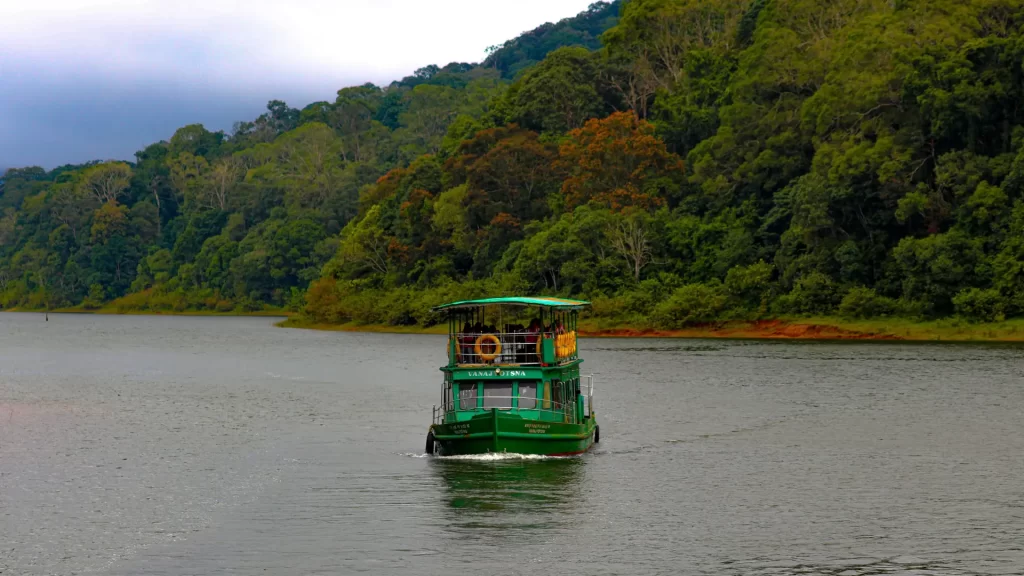
Today begins early and in the wilderness. Set out on a half-day bamboo rafting expedition through the Periyar Tiger Reserve. The programme combines hiking and rafting, taking you through some of the reserve’s richest forest areas before you climb aboard bamboo rafts. From the water, forest-covered hills rise around you, while elephants, gaur and sambar may appear near the edges of the lake. Packed food is provided by the forest department.
Return to Spice Village for lunch.
The afternoon offers a very different experience at the resort’s paper-making centre, where old newspapers and magazines are turned into handmade paper. There is even the chance to try making some yourself.
Then there is the ‘Pepper Vine’ experience, which takes you around the property with a naturalist, introducing its flora, fauna and eco-friendly initiatives.
Later, relax by the pool or enjoy an Ayurveda session at the in-house centre. As evening falls, watch a cultural performance of Bharatanatyam, Kuchipudi and Mohiniyattam. Traditional stories unfold through dance and live Carnatic music, surrounded by the atmosphere of the reimagined village.
Dinner at Tamarind brings the flavours of Kerala to the table, with dishes such as pot-roasted pork chop, Kizhangu Piralan and Panni Kurumulagu Varattiyathu.
Day 9: Reach Kumarakom
After breakfast, leave Spice Village and head to a nearby spice plantation. Walk through the plantation with CGH Earth’s naturalists and the planters, learning about the plants, wildlife and the spices that helped make this region part of a centuries-old global trade.
Then comes one of the most memorable meals of the journey: lunch at the planter’s home, served traditionally on a banana leaf.
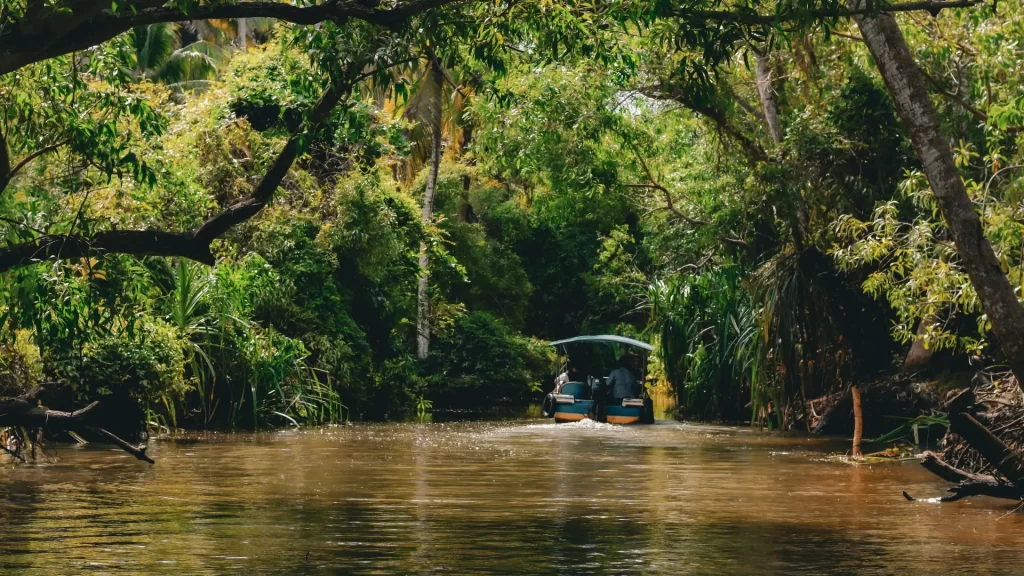
After lunch, continue towards Coconut Lagoon, CGH Earth, in Kumarakom. There is no road arrival here. From the property’s private jetty, board a boat and glide through the backwater canals of Vembanad Lake. The journey itself becomes part of the arrival, with the water slowly giving way to Coconut Lagoon.
On reaching the resort, you are welcomed with a traditional Namaskaram and sandalwood paste before settling into a heritage room of rich dark teak surrounded by green lawns and waterways. Before dinner, enjoy a performance of traditional dance, perhaps Mohiniyattam, Ottanthullal or Bharatanatyam.
Day 10: Explore Kumarakom
Wake early and join the resident naturalist for a birdwatching walk. With the Kumarakom Bird Sanctuary close by, the backwaters and gardens attract an impressive variety of birdlife. The early morning is particularly beautiful, when birdsong accompanies the first cup of chai and the palms begin to catch the sunlight.
After breakfast, head into the countryside with a local guide and see a more intimate side of village life. There is time to try traditional activities such as coir-making and coconut tree climbing.
Return to Coconut Lagoon for lunch at Aymanam. Try karimeen, the famous pearl spot fish of the backwaters, or fish curry with tapioca and crushed bird’s eye chilli.
Post lunch, the afternoon is wonderfully unstructured. Find a hammock beside the water, listen to the backwaters or simply watch the clouds move across the sky.
Later, meet CGH Earth’s ‘Chaya Chechi’, who arrives by country canoe carrying tea, coffee and local delicacies. As evening approaches, board a converted rice boat for a sunset cruise, accompanied by the gentle sound of a flute.
Return to the resort for dinner.
Day 11: Explore Kumarakom by Houseboat
After breakfast, visit Coconut Lagoon’s butterfly garden, where ponds, fountains, flowering plants and carefully designed habitats attract more than 90 species of butterflies, including the Gaudy Baron, Malabar Rose and Tamil Lacewing.
There is time afterwards for an Ayurveda session or a few quiet hours by the pool before the next part of the journey begins.
At 1pm, a traditional Kettuvallam (houseboat) arrives to take you into the backwaters.
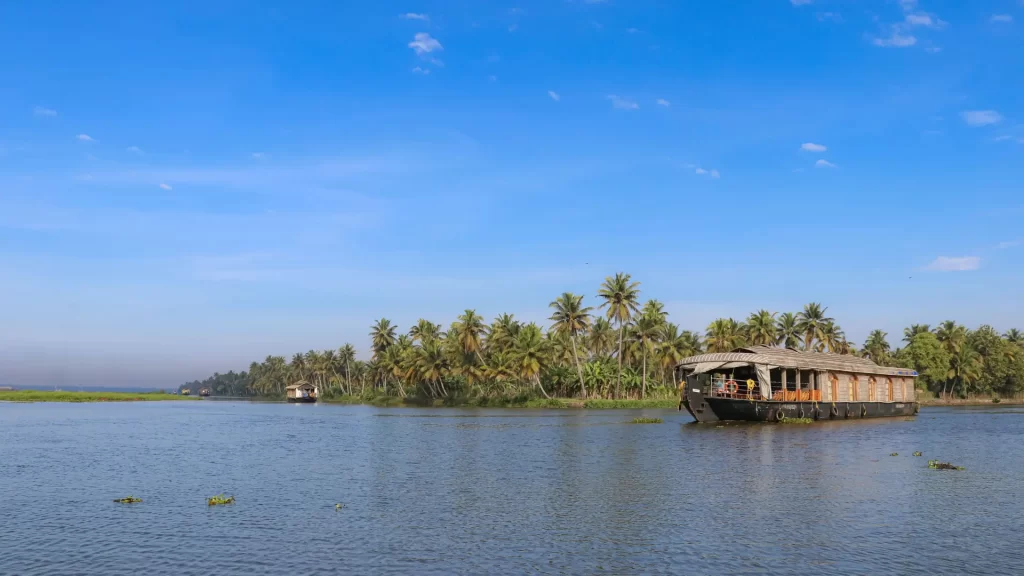
Today, Kumarakom is experienced entirely from the water. Settle aboard the Spice Coast Cruise and watch village life unfold along the palm-fringed banks of Vembanad Lake. The boat moves through a maze of canals, lagoons and rice paddies, passing homes, greenery and small glimpses of everyday life along the way. Meals prepared by the crew bring the flavours of the region to the table as you travel.
By evening, the houseboat docks for the night. Dinner is served on board, with the backwaters providing a wonderfully peaceful setting for the night.
Day 12: Reach Mararikulam, Alleppey
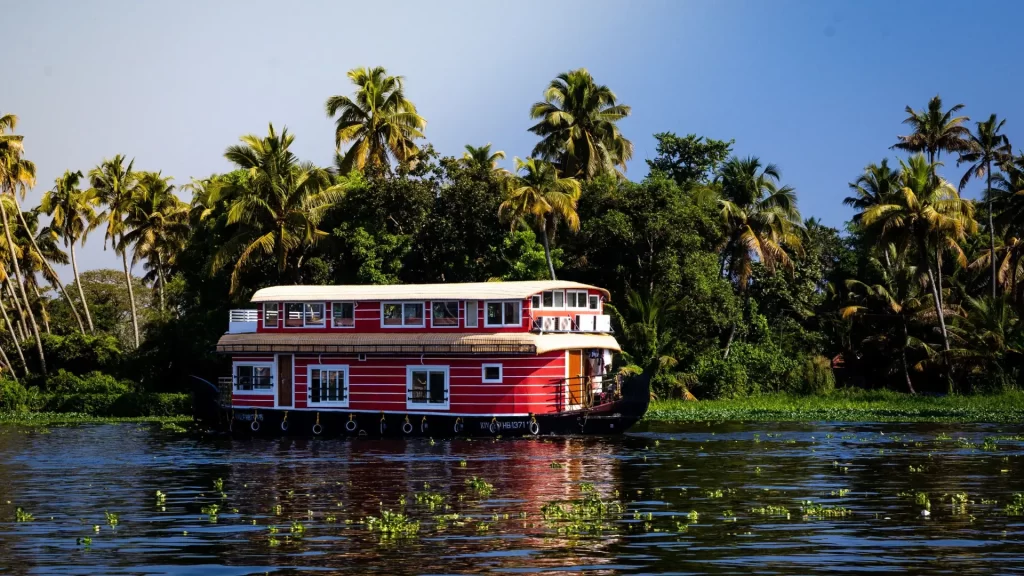
Wake to breakfast on the houseboat, with a traditional Syrian Christian spread as the Kettuvallam makes its final journey through the backwaters.
After disembarking, continue with a craft tour exploring the making of the Aranmula Kannadi, the famous GI-certified metal mirror produced using traditional techniques and locally sourced materials. The journey also takes in Mannar, a historic metalworking town on the banks of the Pamba River. It is known for its brass, bronze and silver vessels, lamps and bells.
By lunchtime, arrive at Marari Beach Resort, Alleppey, tucked among coconut groves beside the coast. After lunch, discover the traditional craft of coir-making, where the tough fibres of coconut husks are transformed into useful and beautiful objects.
Then there is nothing more complicated to do than enjoy Mararikulam. Find a place on the lawns, order a drink and watch the palms move in the sea breeze as the sun goes down.
Dinner can be enjoyed at Chakara or at the Beach Shack before calling it a night.
Day 13: Explore Mararikulam, Alleppey
Set out early by tuk-tuk for the local fish-landing harbour, one of the best places to experience the energy of this fishing community. Watch the day’s catch come in and see the rhythms of coastal life up close. Fishing has shaped the culture of Mararikulam for generations, from the boats heading out to sea to the small home-based enterprises run by local women.
Return to Marari Beach Resort for breakfast.
Later, join the resident naturalist for a birdwatching walk through the resort’s coconut groves, listening for the many species that make their home here. A guided tour of the property follows, offering an insight into its eco-sensitive approach, sustainability initiatives and work with the surrounding community.
After lunch, head to the Earth Lab and look through a microscope at a world usually invisible to us: microorganisms and tiny forms of life that suddenly become surprisingly fascinating.
At 4pm, a tea master from a nearby village arrives at the Chakara lawns with a traditional tea cart. Sit down with a cup of hot meter tea and some local snacks.
The evening brings another hands-on experience. During the Farm Kitchen session, pick fresh produce from the garden and join the chefs to prepare local dishes. The cooking leads naturally into dinner, with the meal made together becoming the delicious finale to the day.
Day 14: Reach Fort Kochi
After breakfast, leave Mararikulam and drive towards Fort Kochi, stopping at St Andrew’s Basilica in Arthunkal along the way. Originally built by Portuguese missionaries in the 16th century and rebuilt in 1584, the church has a long and fascinating history.
Continue to Brunton Boatyard, CGH Earth, overlooking Kochi’s historic harbour. The hotel reflects the city’s Portuguese, Dutch and British influences, making it a fitting base for discovering Fort Kochi.
After lunch, enjoy some time at leisure.
Later, take a tuk-tuk to URU Art Harbour, stopping at Lila Art Café for a bite along the way. URU Art Harbour is a cultural and artistic space centred on creativity, exchange and ideas, while Lila Art Café brings together food, art and performance in an atmospheric Fort Kochi setting.
As the day begins to cool, return to Brunton Boatyard for a harbour cruise aboard MANTA, departing from the hotel’s private jetty.
The boat takes you around Cochin Harbour as the sun sets, offering a different perspective of the city and plenty of fresh sea air.
Back at Brunton Boatyard, choose from its dining options, from The History to the Armoury Restobar and Pier Dining, where the food and setting reflect Fort Kochi’s layered past.
Day 15: Explore Fort Kochi
Wake to views across the harbour and the Arabian Sea. At 7am, join CGH Earth’s History Walk. Begin with a freshly brewed coffee in the lobby before heading out with a local guide for a walk along the harbour-side streets of Fort Kochi.
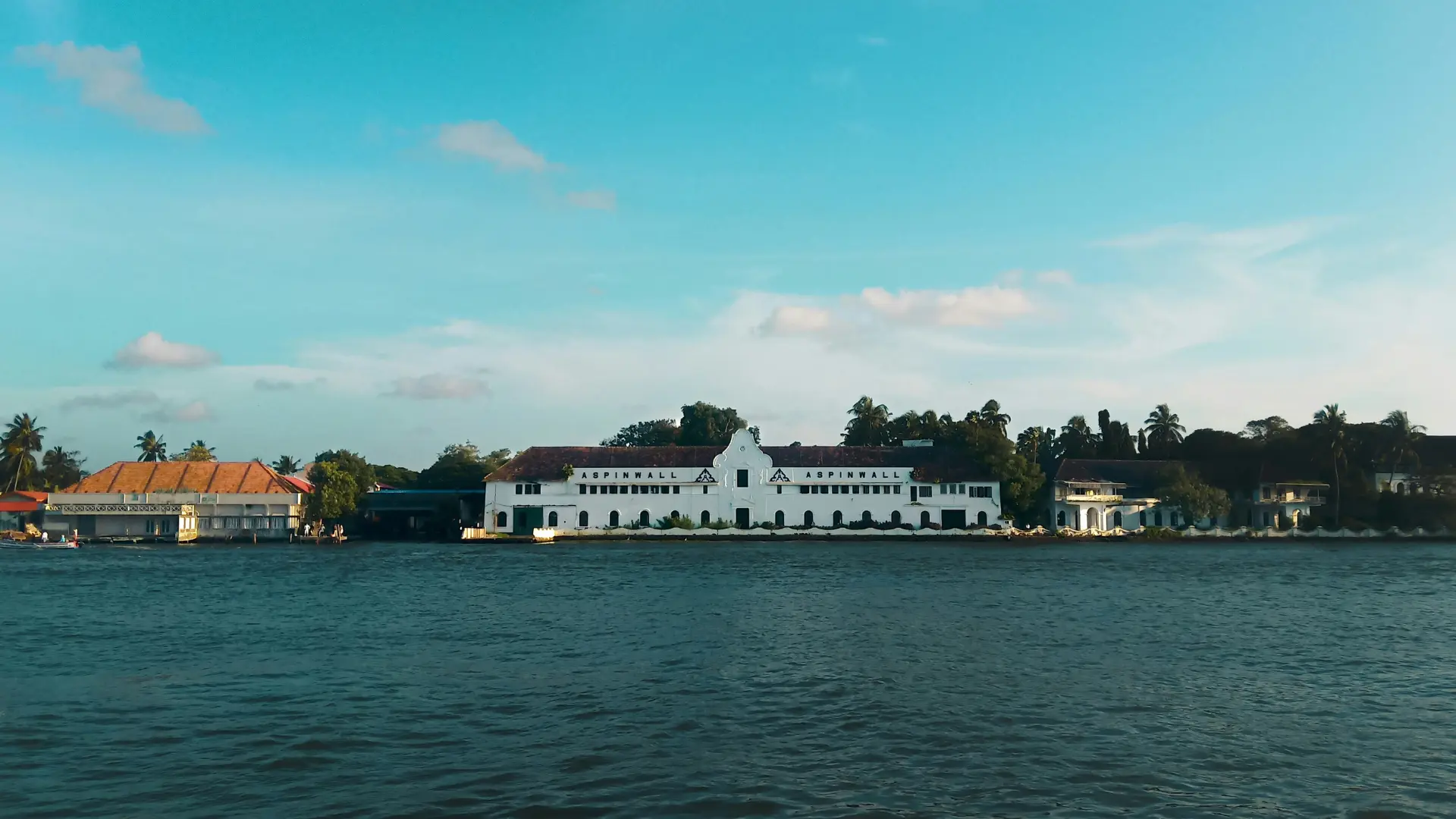
The stories behind the neighbourhood’s historic buildings and landmarks make this more than a sightseeing walk; they reveal how different cultures and communities have shaped the city over centuries.
Return for breakfast before continuing with Fort Kochi’s best-known sights: the old spice markets, Jew Street and its synagogue, the Dutch Palace, Santa Cruz Basilica, St Francis Church and the Chinese fishing nets.
The tour ends at David Hall, the CGH Earth art gallery café, where there is time for a break and something to eat.
Return to Brunton Boatyard in the evening and enjoy the changing colours over the harbour. For one last cultural experience, head to the Kerala Kathakali Centre for a traditional performance. With its elaborate costumes, expressive movements, music and storytelling, Kathakali provides a memorable final glimpse into Kerala’s artistic traditions.
Return to Brunton Boatyard for dinner and your last night in South India.
Day 16: Departure
There is time for one last look at the harbour before setting off for Cochin International Airport, around an hour away.
As the journey comes to an end, the landscapes below offer a final reminder of just how much has changed since that first drive from Chennai: temples and villages, spice plantations and forests, quiet waterways and fishing harbours, grand heritage homes and small local kitchens.
Sixteen days later, South India may feel less like a collection of destinations and more like one long, unfolding story.
Disclaimer: Some of these experiences may not be included in your chosen package and may require prior booking.